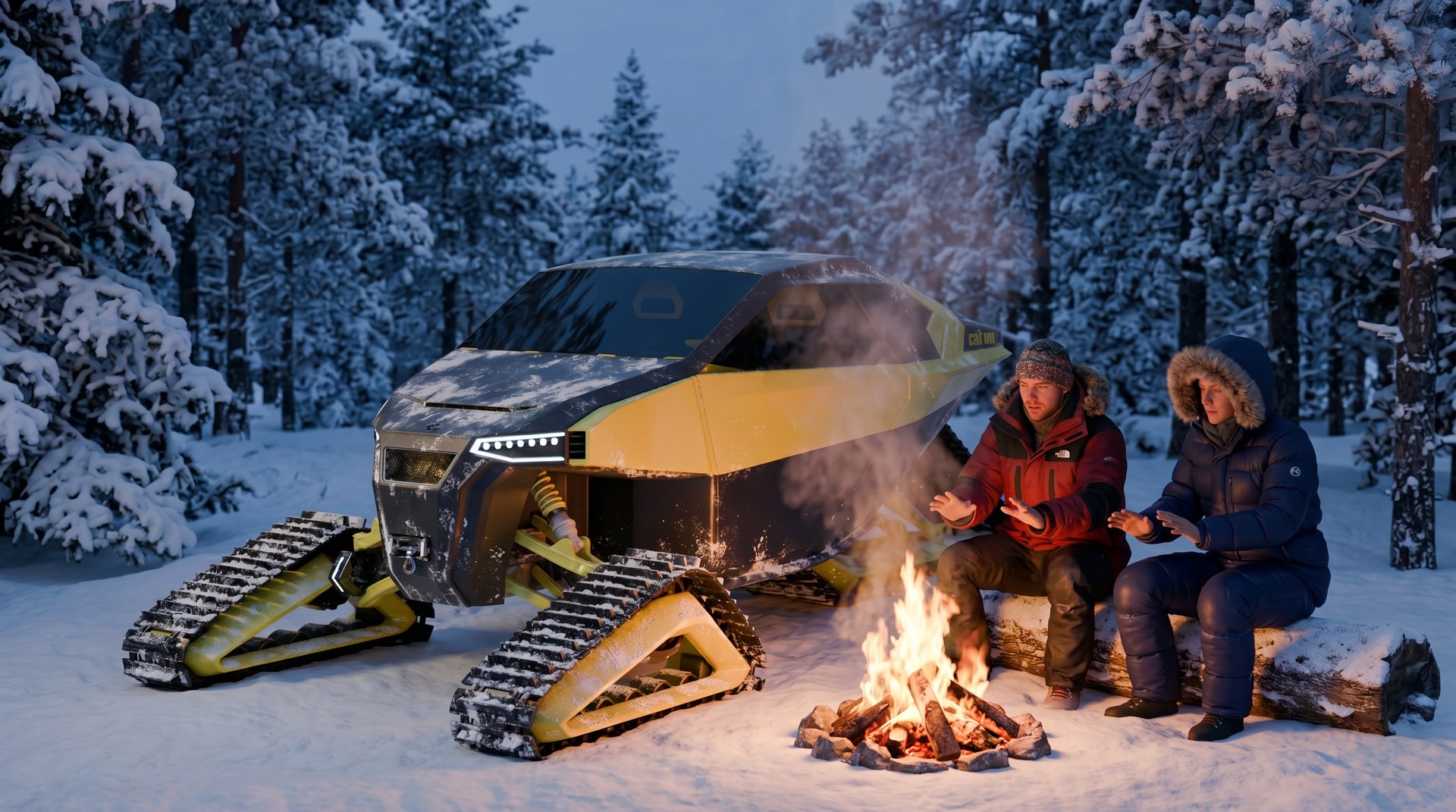
Project 03 / 03 · Snow Mobility · Hybrid Powertrain
Typology
Hybrid Snow Vehicle
Year
2025
Tools
Blender · Photoshop · Figma · Vizcom
Context
Can-Am · Personal Concept
The snowmobile market is a $2.7 billion industry growing at 8% annually, yet its vehicle formats have barely evolved in three decades. All existing machines force a binary choice: the exposure and performance of a snowmobile, or the protection and utility of a UTV. Neither solves extreme winter terrain.
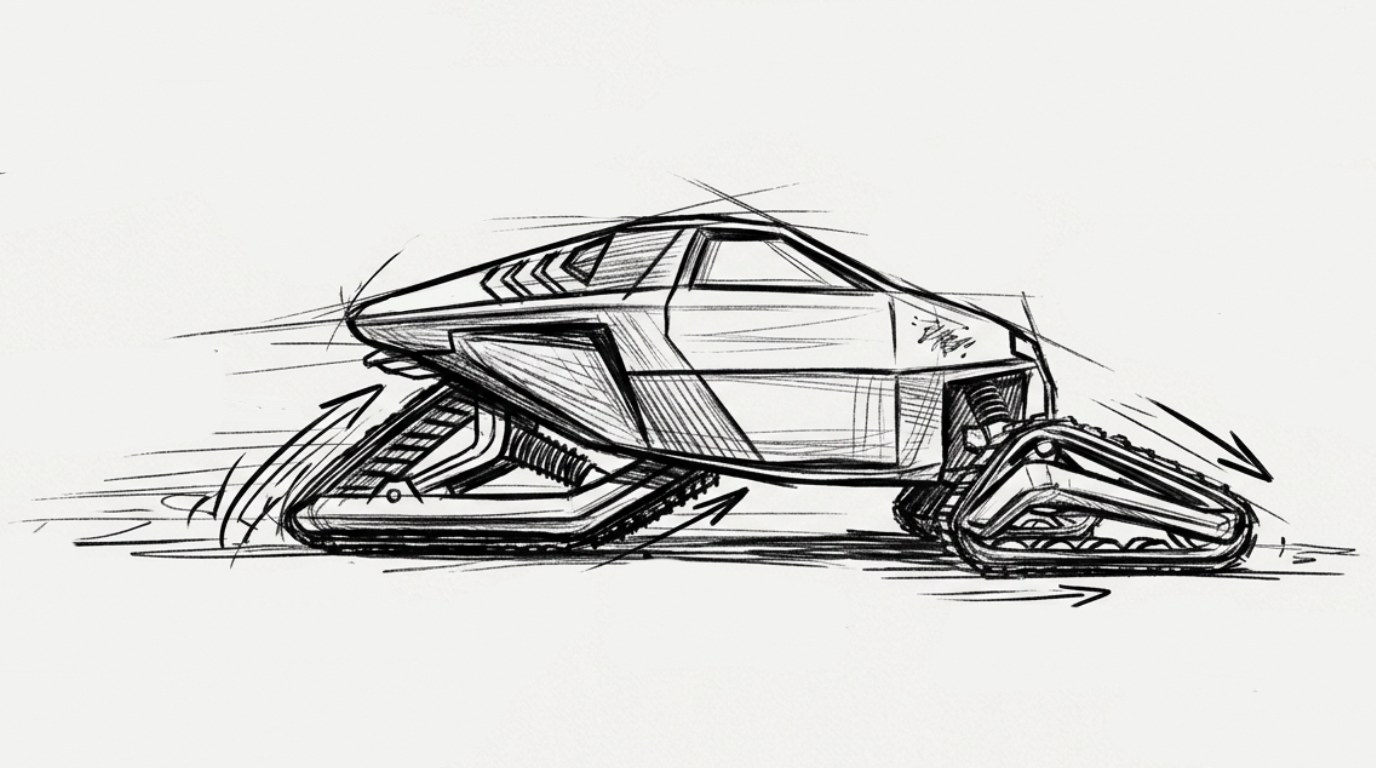
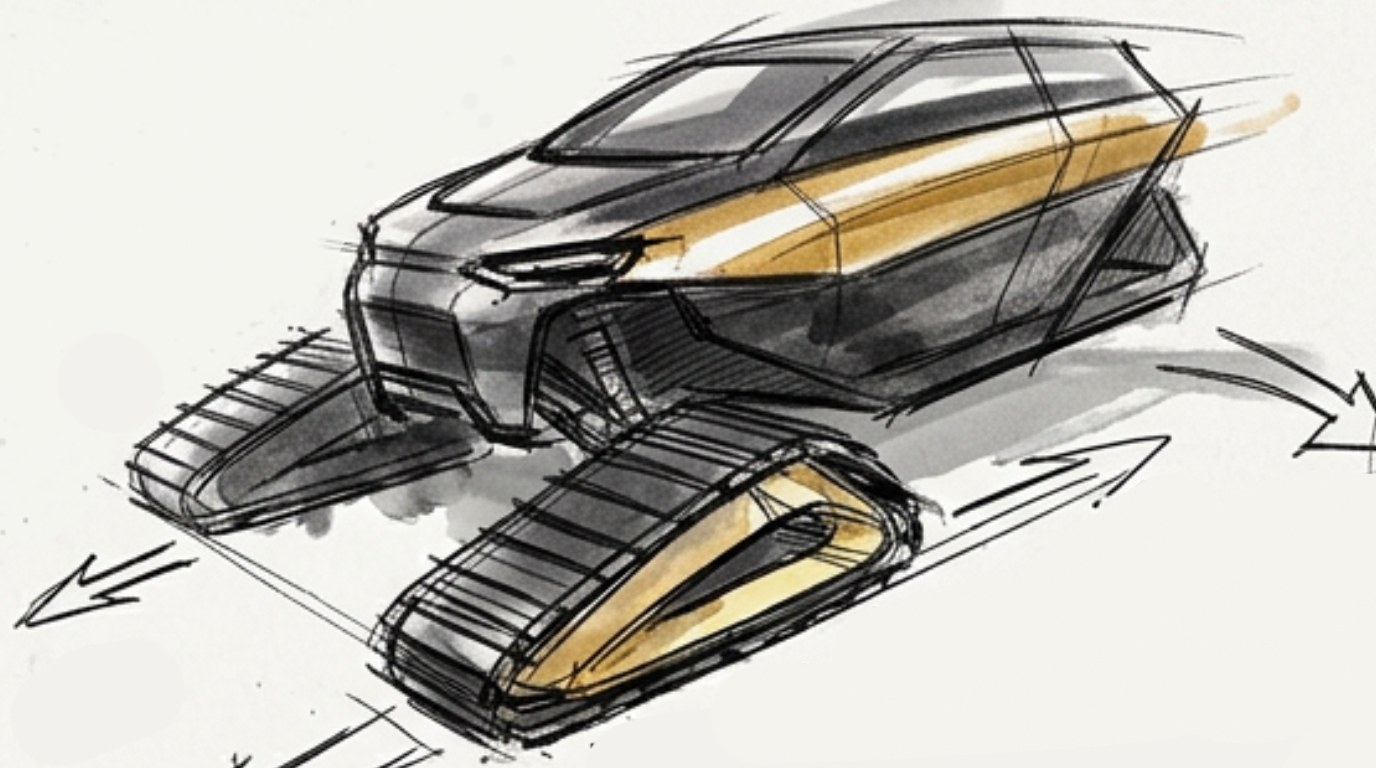
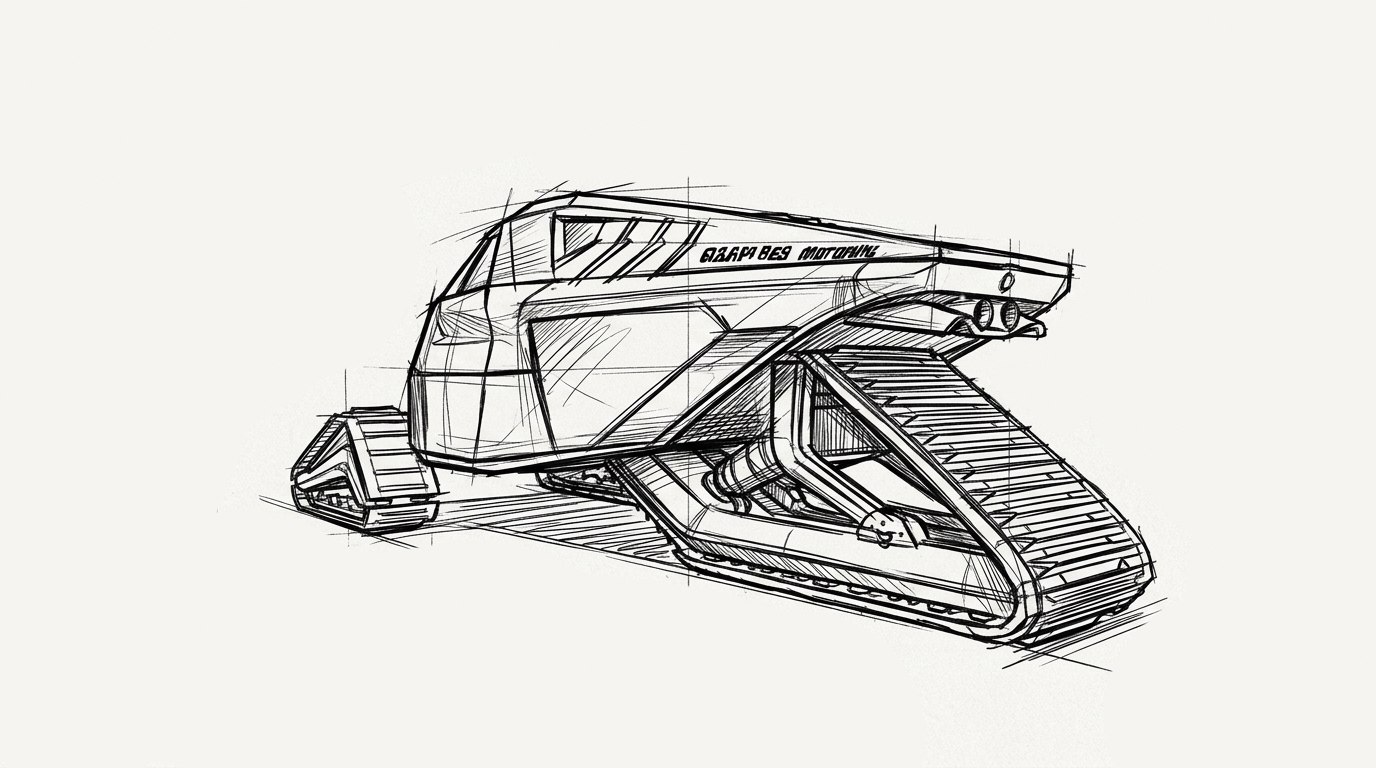
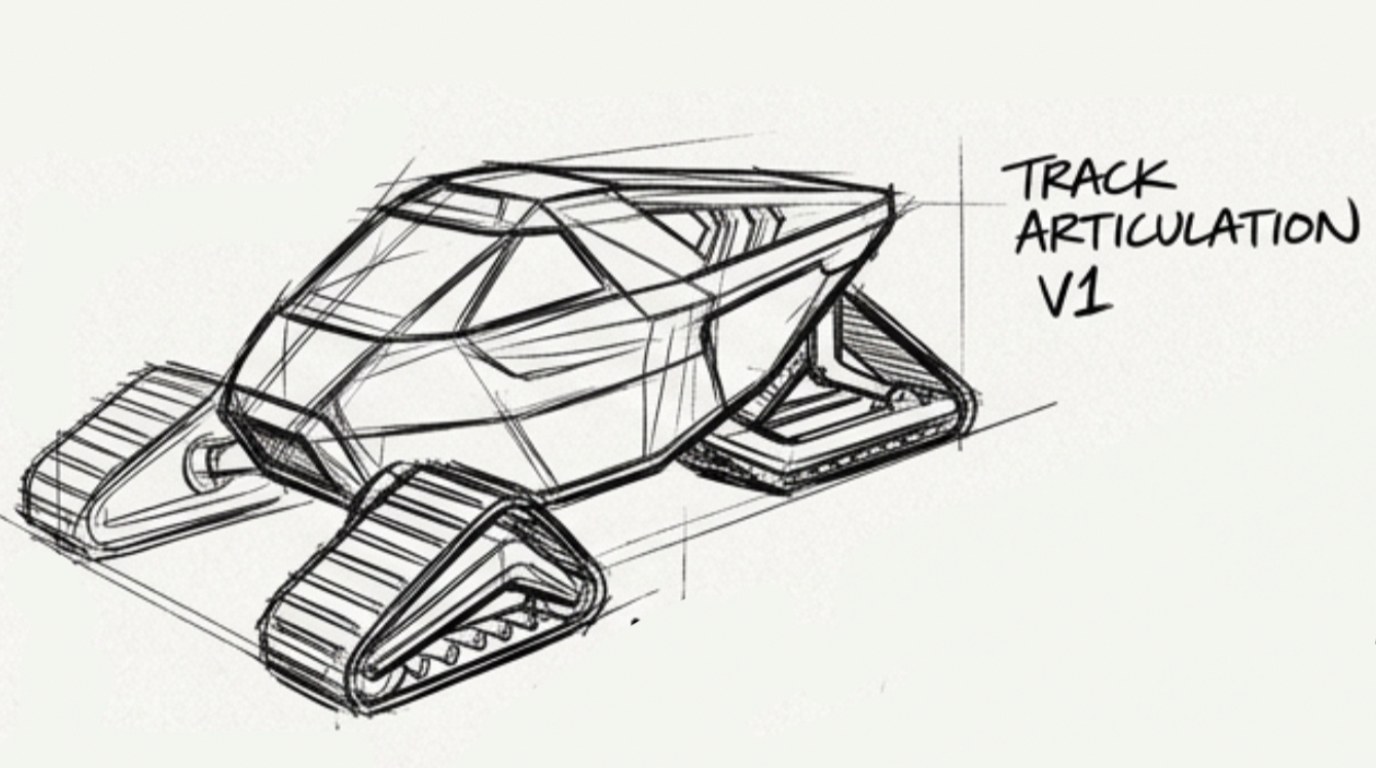
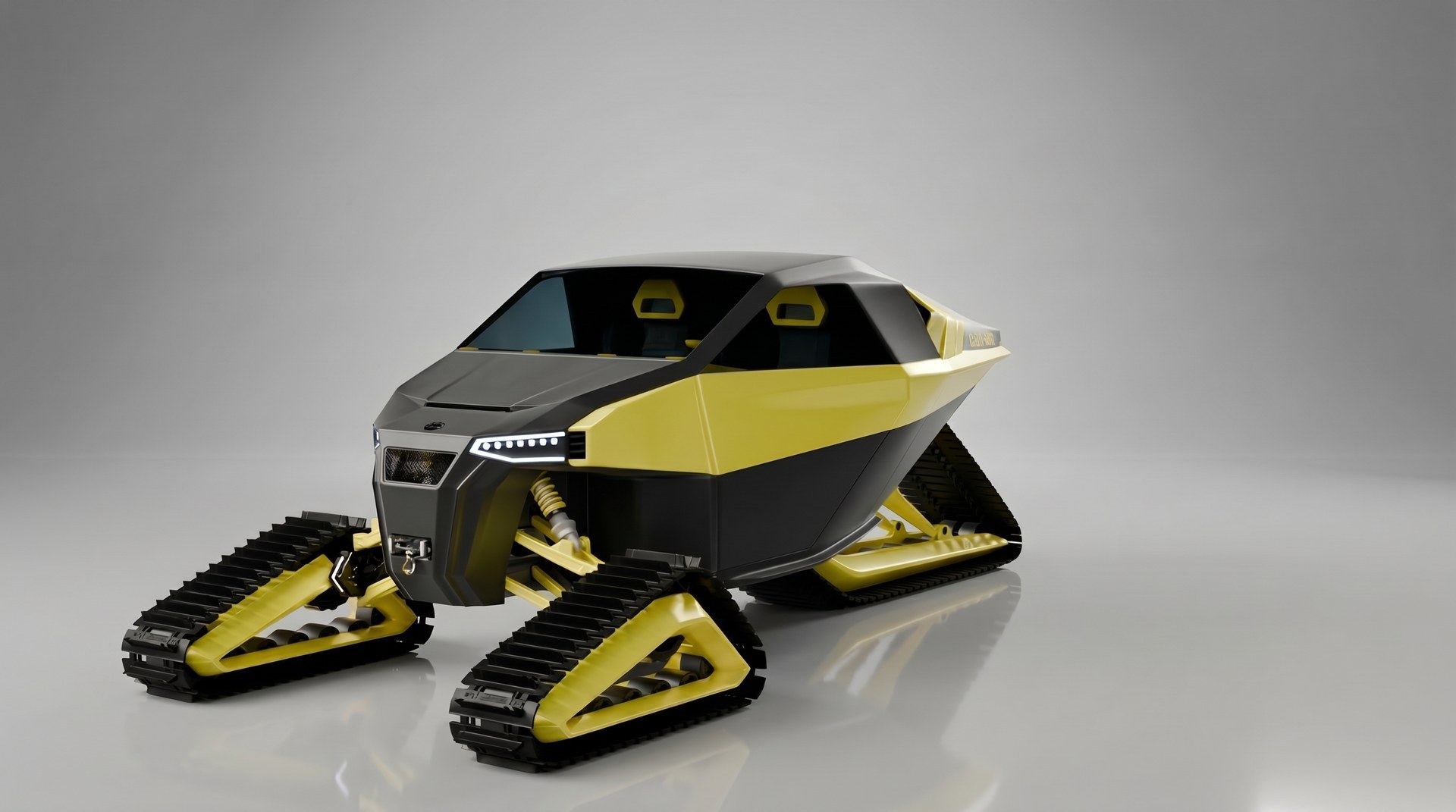
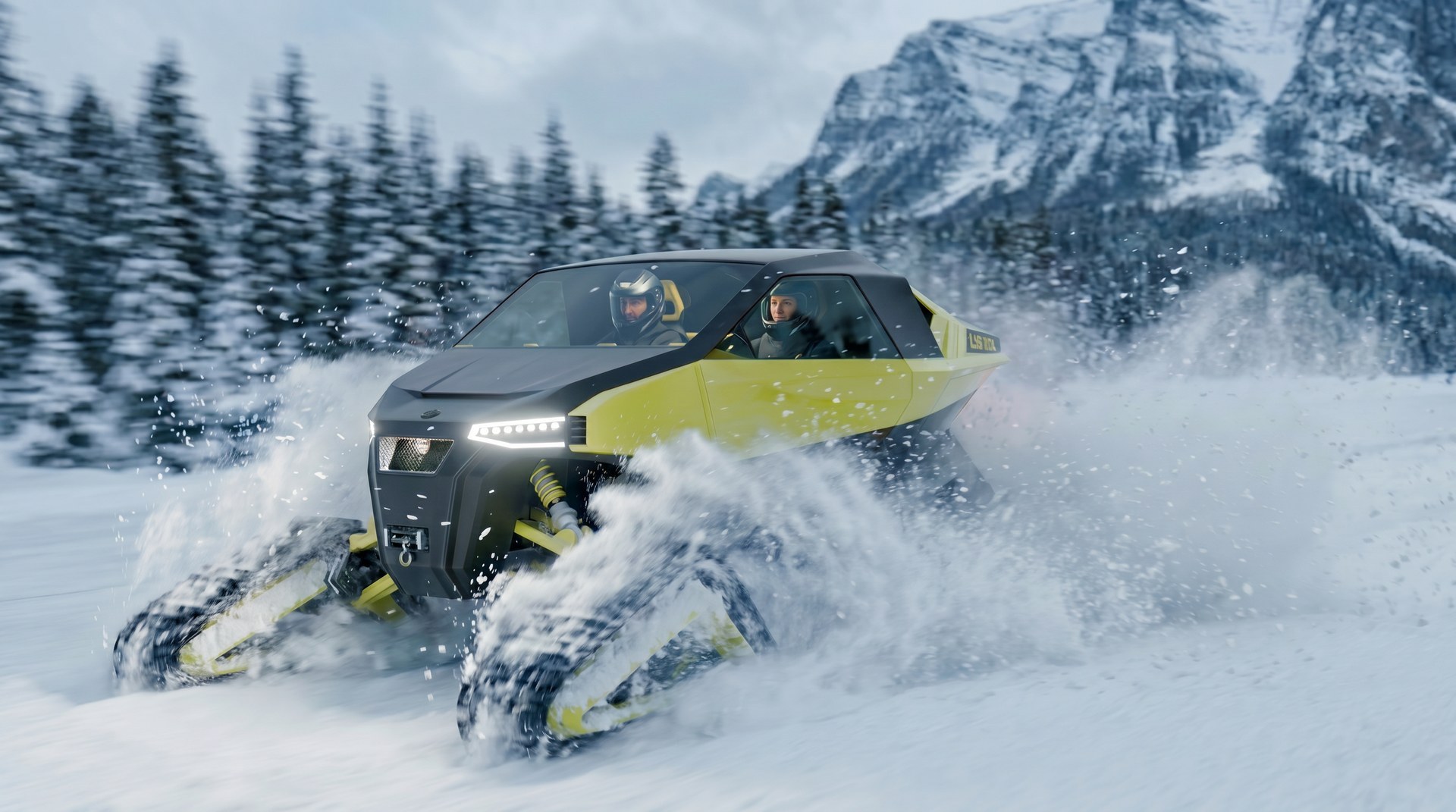
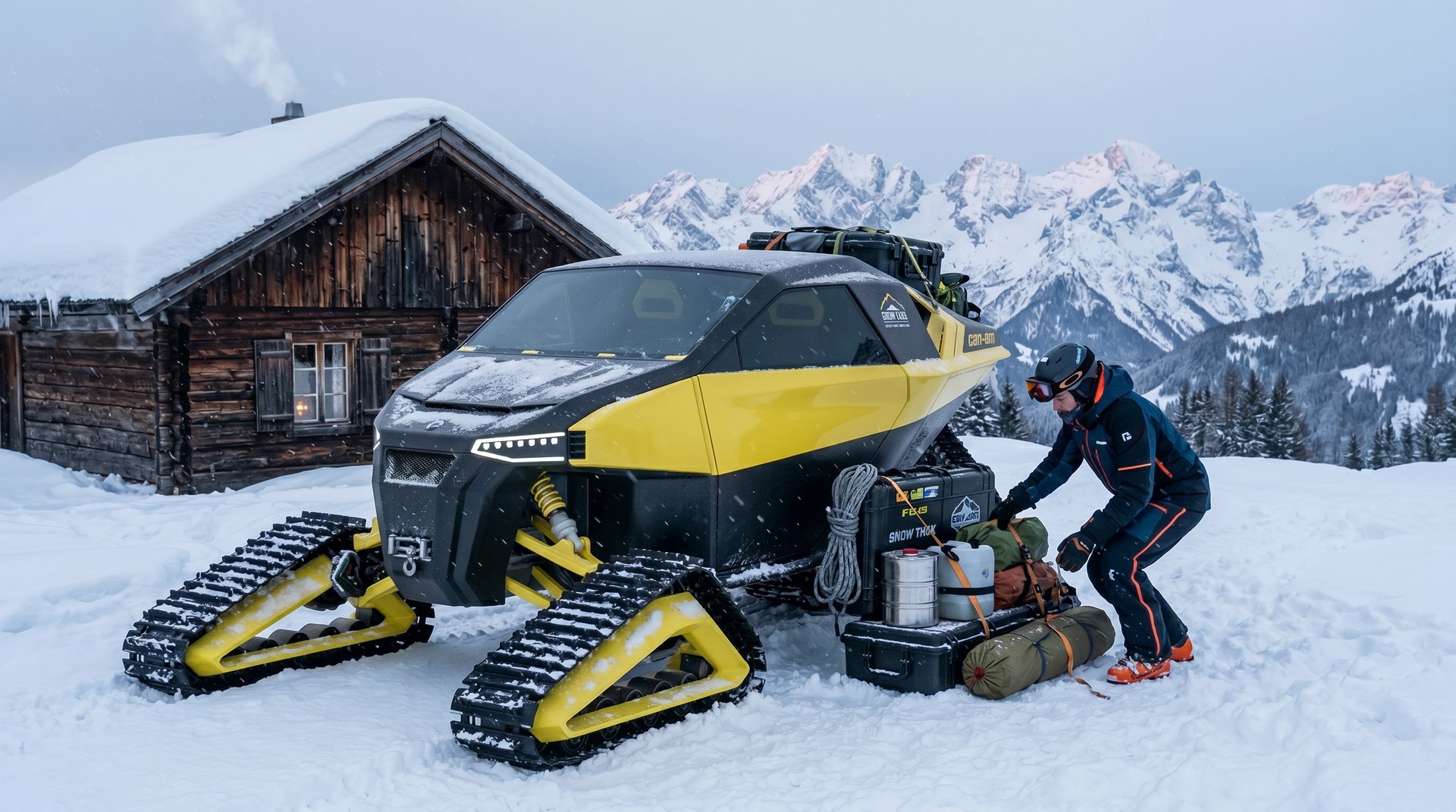
BOREAL H is a personal concept developed for Can-Am (BRP), the world's second-largest powersport manufacturer with 28% global market share. The project proposes a third category: a three-track hybrid vehicle that operates where conventional machines give up, without sacrificing the dynamic riding experience that defines the Can-Am DNA.
The target spans two worlds: recreational riders pushing into deep backcountry, and professionals operating in remote snow terrain such as ski patrol, mountain rescue, forestry, and cold-climate logistics. A single platform, two use modes, one powertrain that adapts.
0B$
Global snowmobile market · 2025
0%
Annual market growth rate
0%
BRP global market share · powersports
0M
Registered snowmobiles in the USA alone
Moodboard
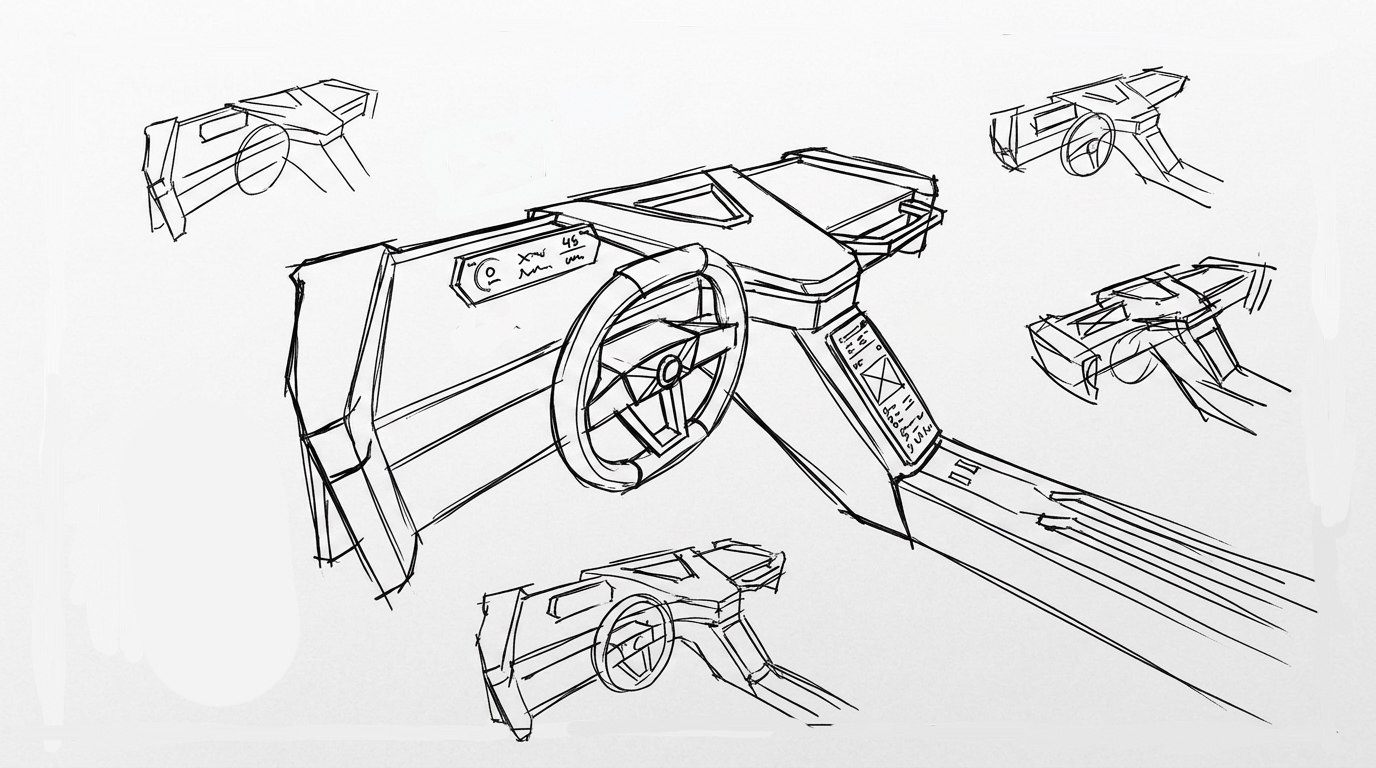
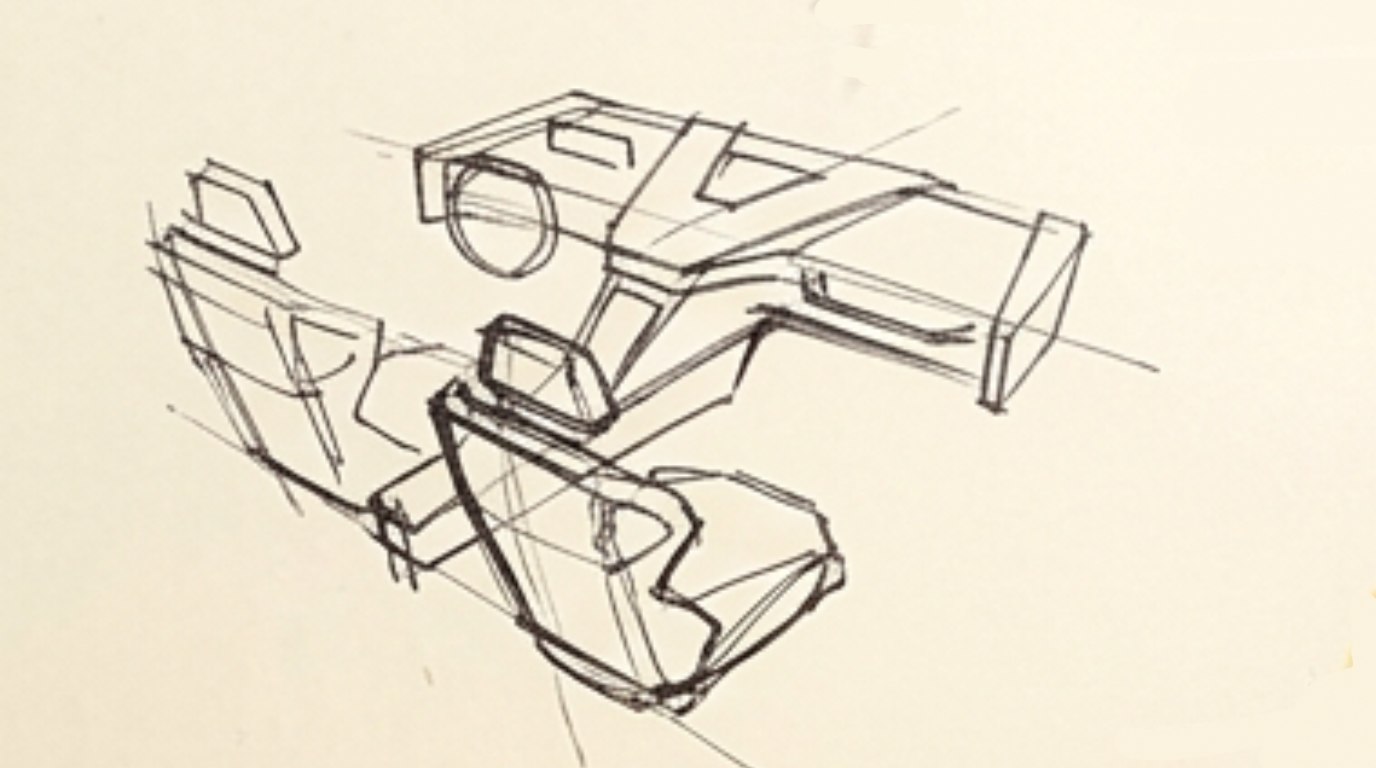
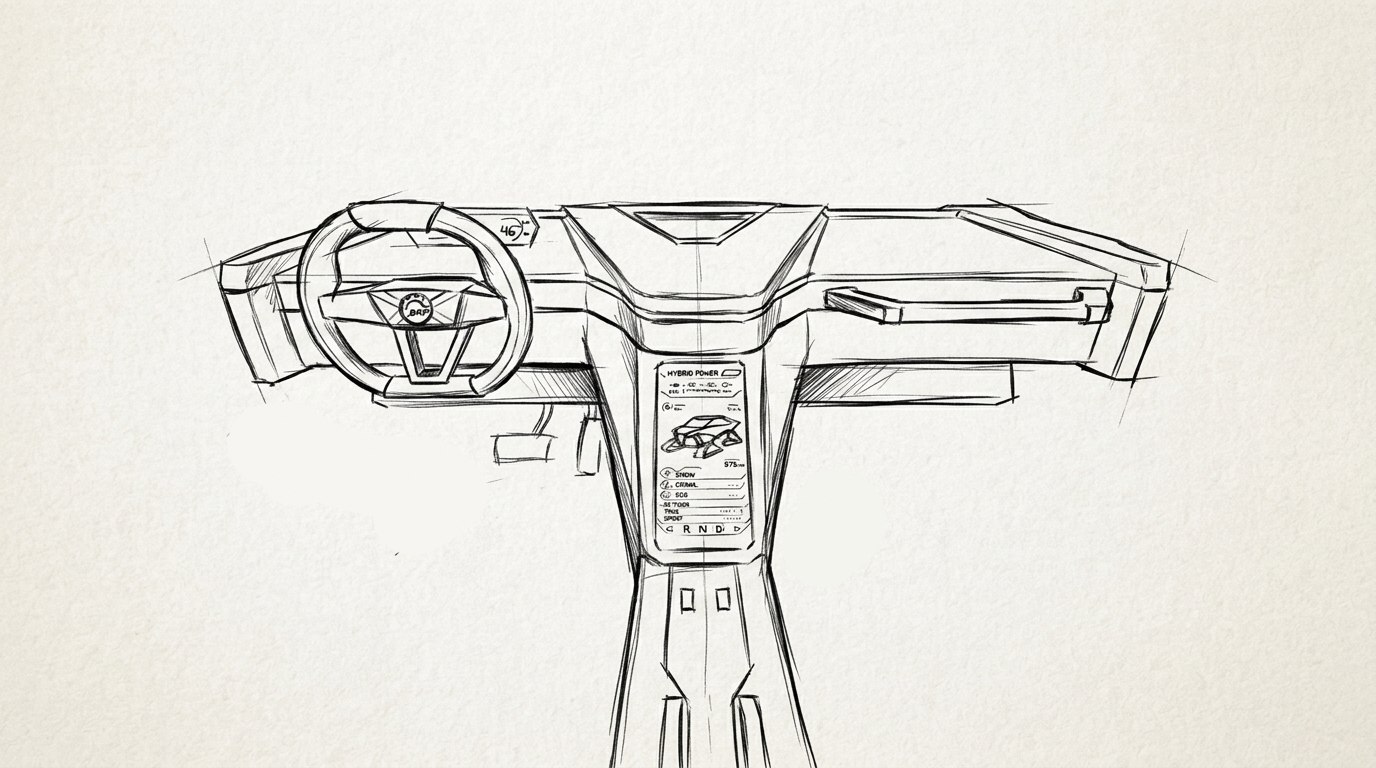
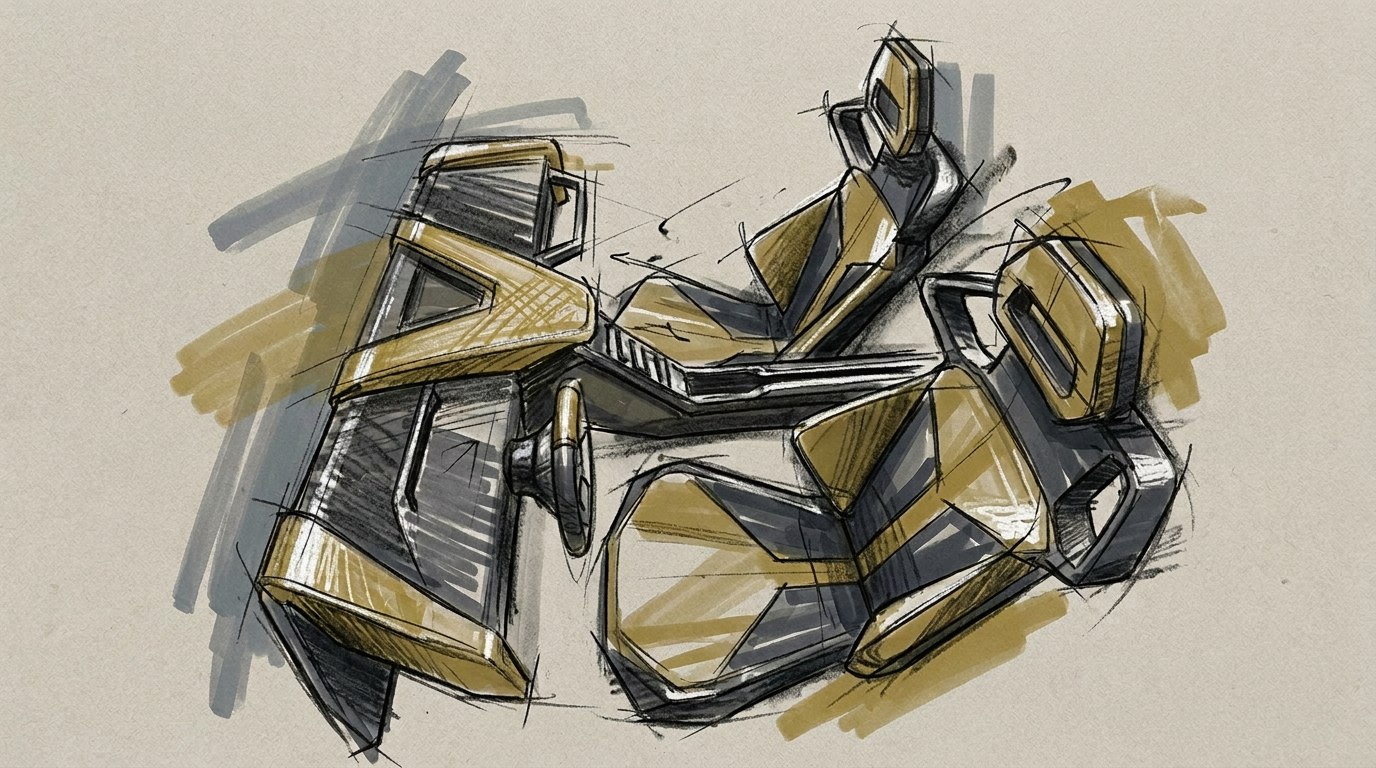
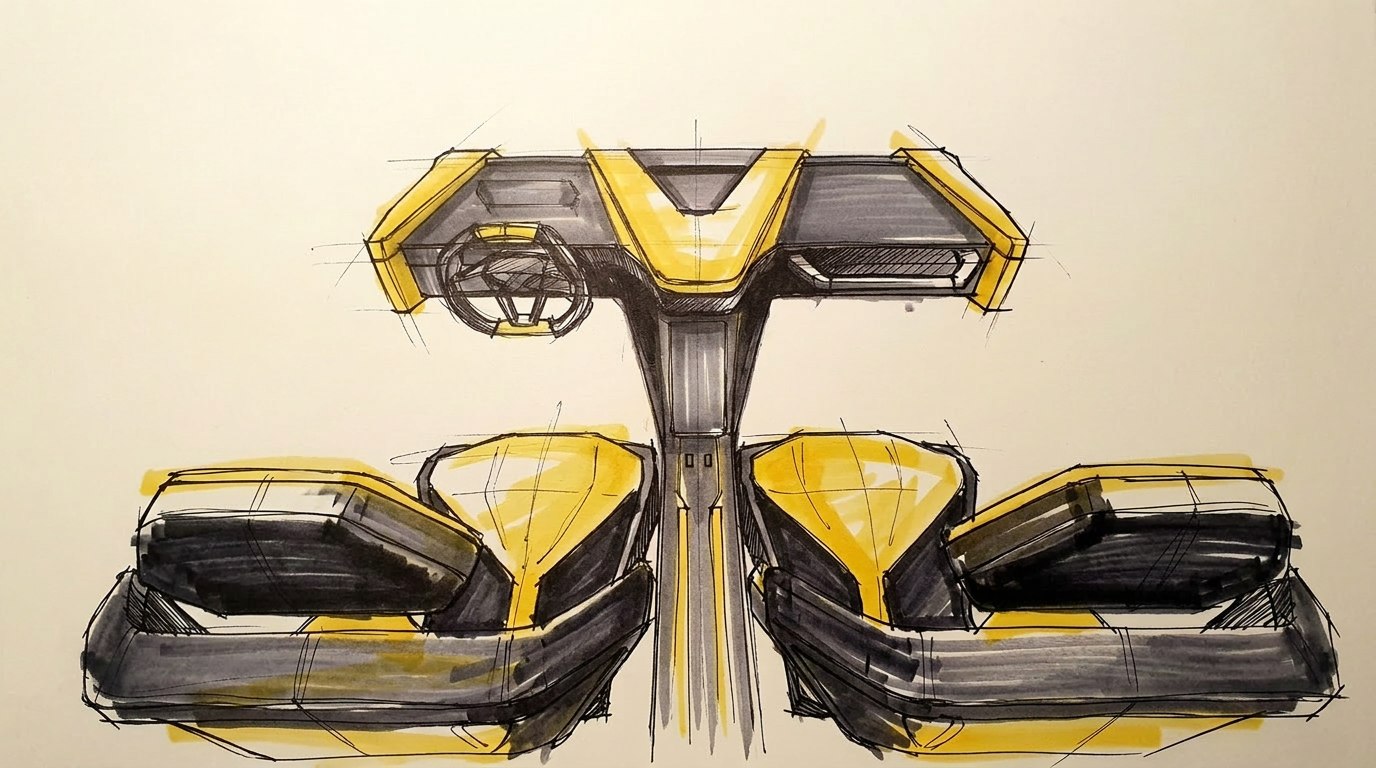
A strong, protective cockpit layout combines structural clarity with a connected display hub for intuitive control on the move.
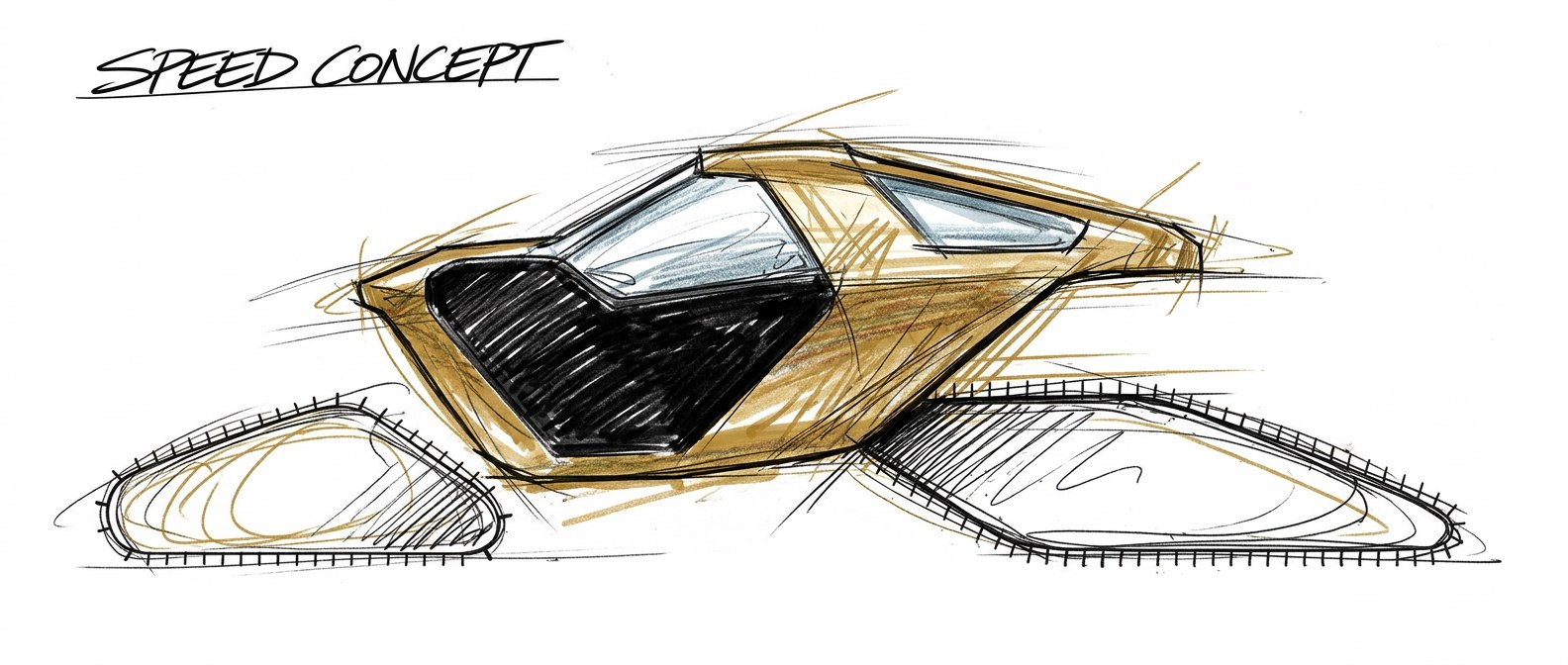
BOREAL H draws its visual language from three primary references: the compressed aggression of backcountry UTV, the mechanical precision of track-driven military utility vehicles, and the ergonomic radicalism of alpine sports equipment. Nothing superfluous.
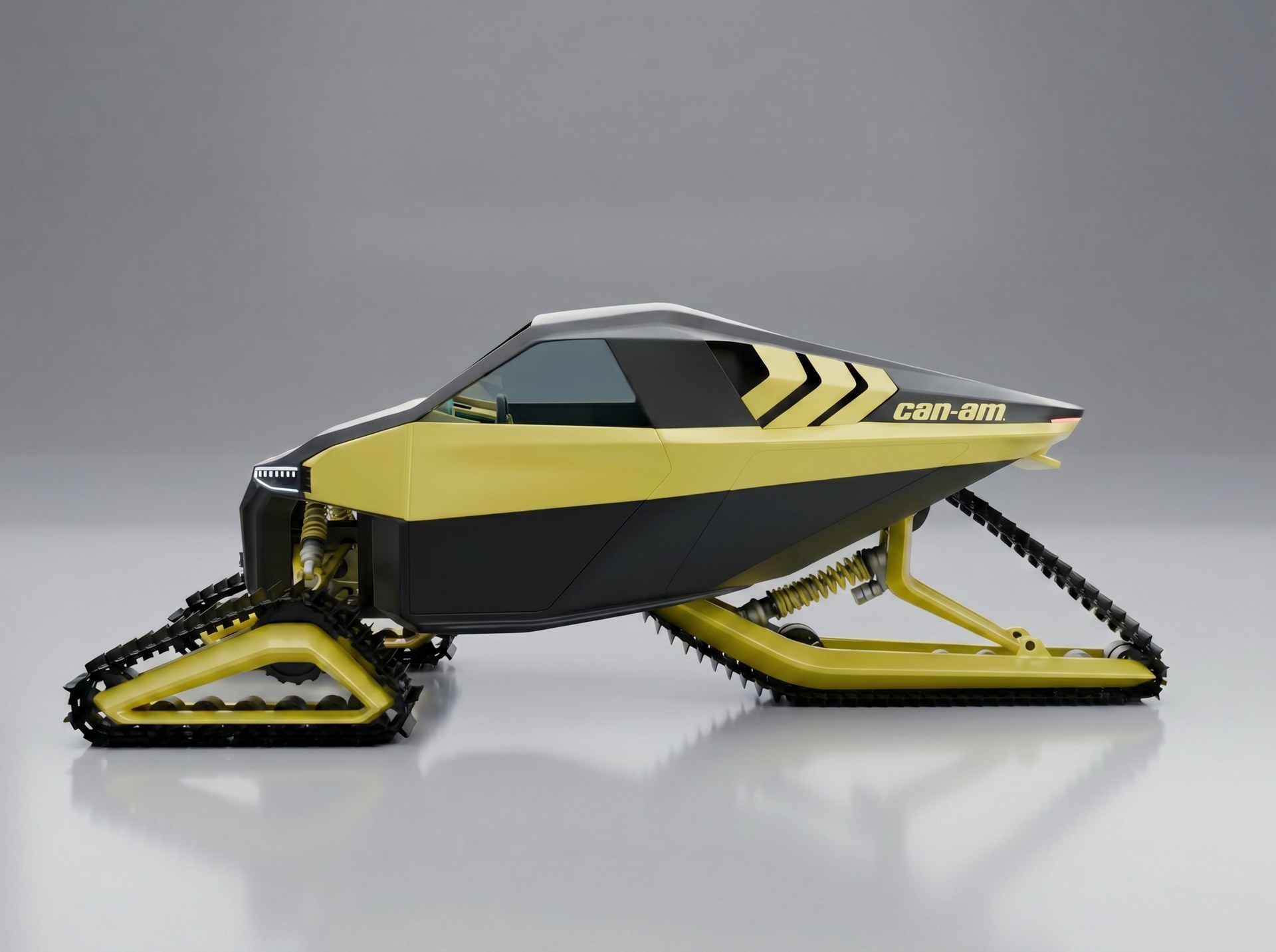
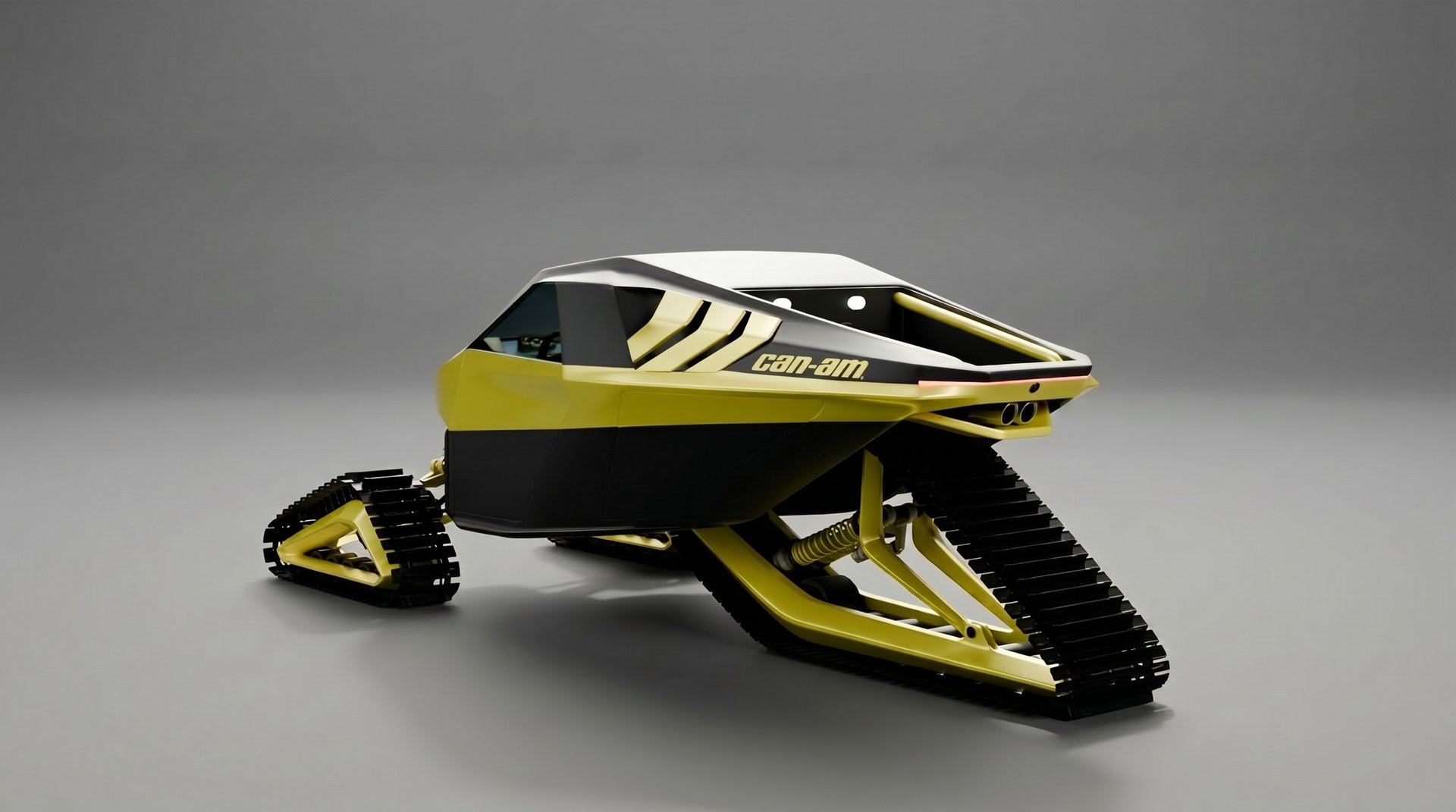
The form language is built around three principles. Angular: every surface break is deliberate, reflecting load paths and aerodynamic intent. Sharp: edges are tools: they define shadow lines, channel airflow, and signal the vehicle's performance orientation. Taut: surfaces are stretched between hard points, communicating structural tension without visual noise.
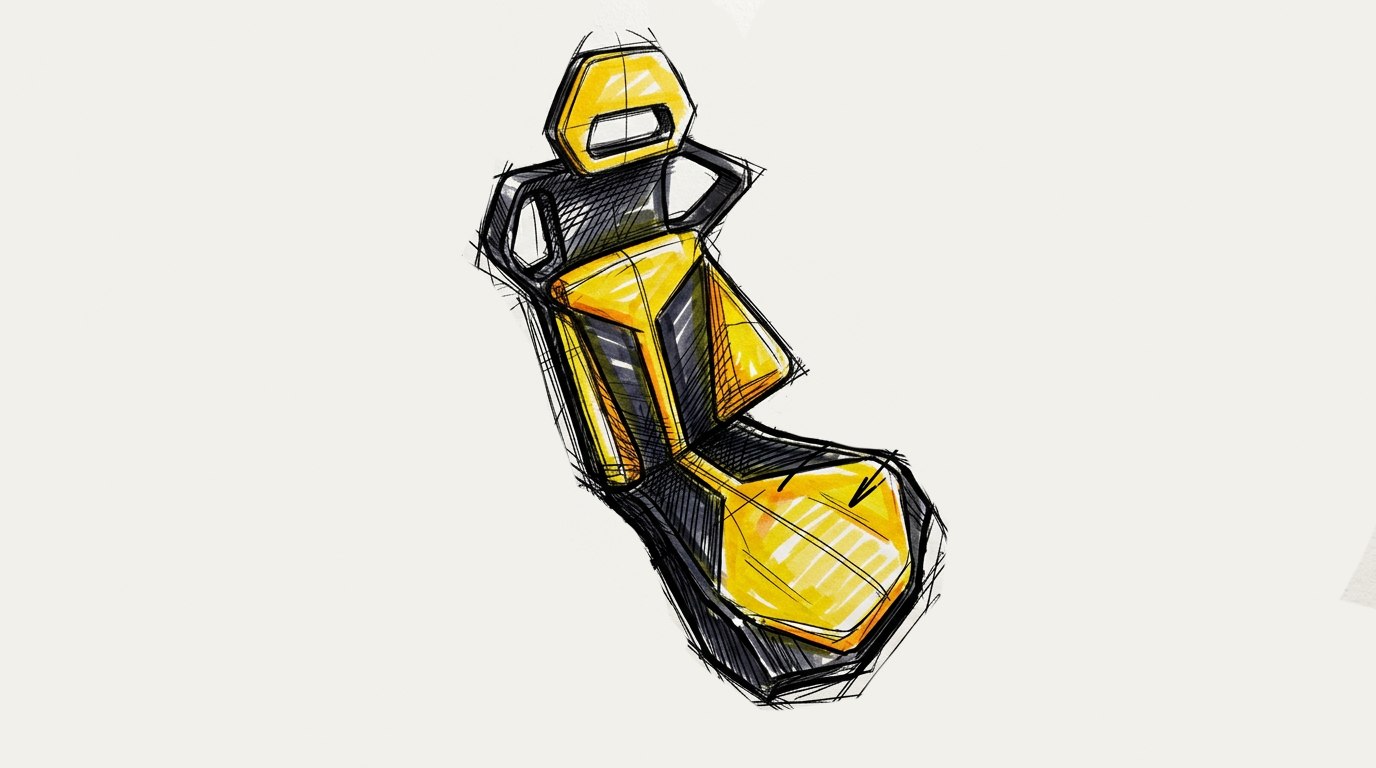
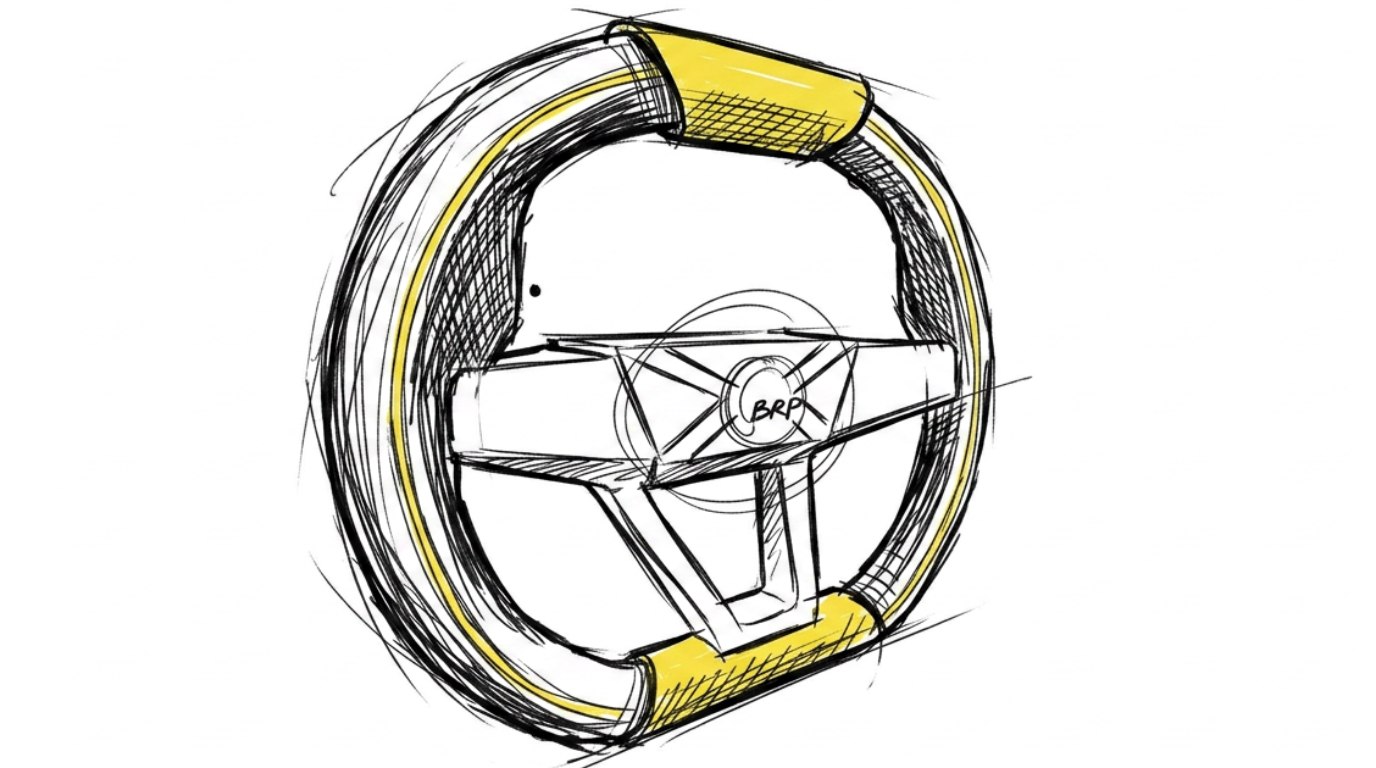
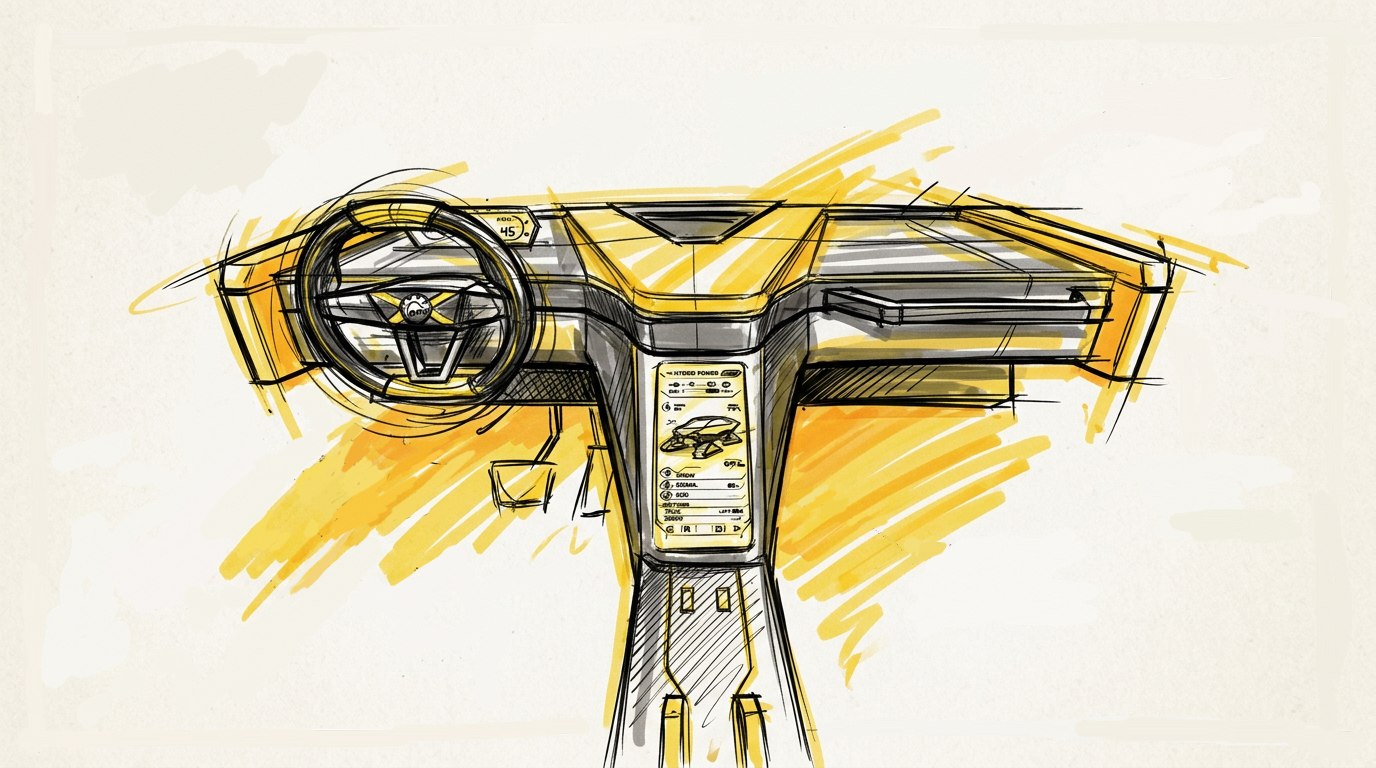
The CMF reinforces the brief: matte black as the dominant skin that absorbs light and refuses ornamentation, punctuated by Can-Am yellow #FFD000 reserved exclusively for active safety elements, grip zones, and functional highlights. Colour as communication, not decoration.
Drive Modes
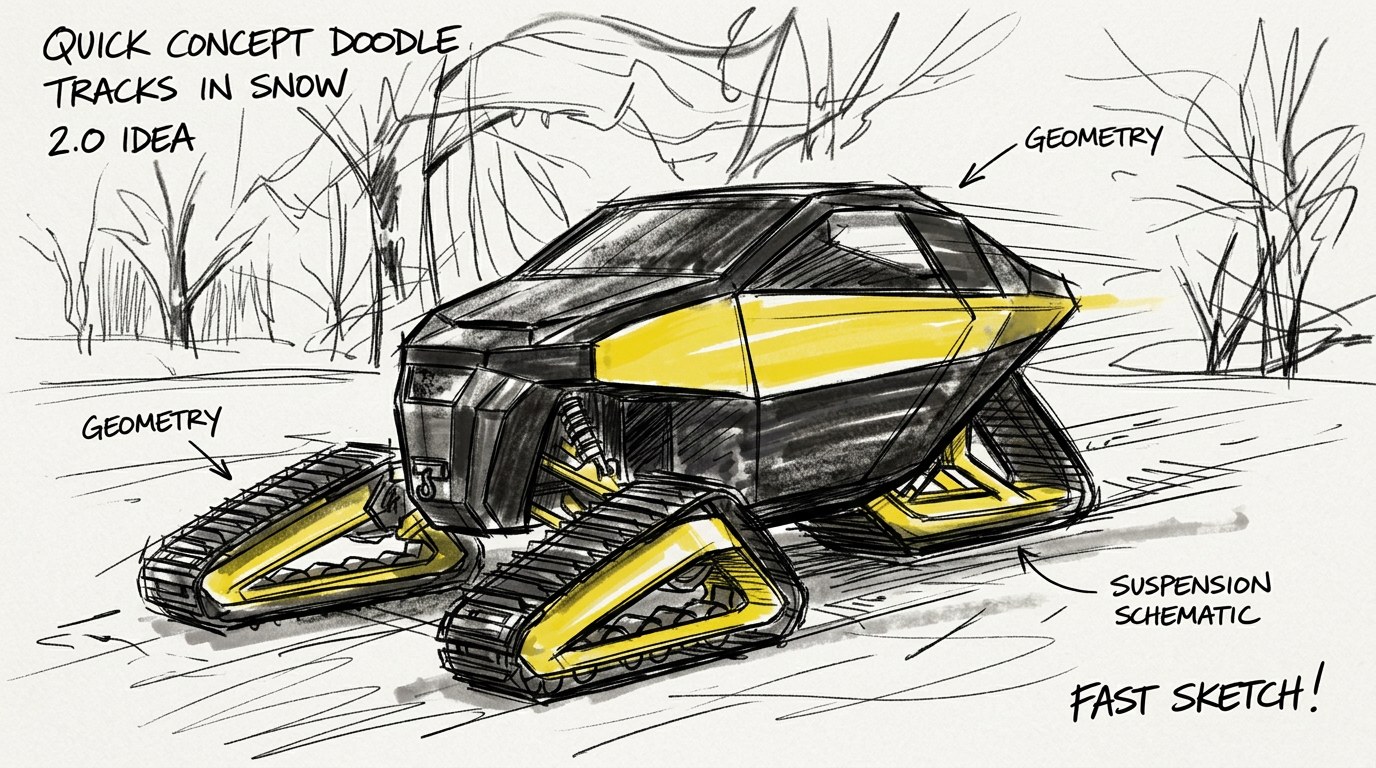
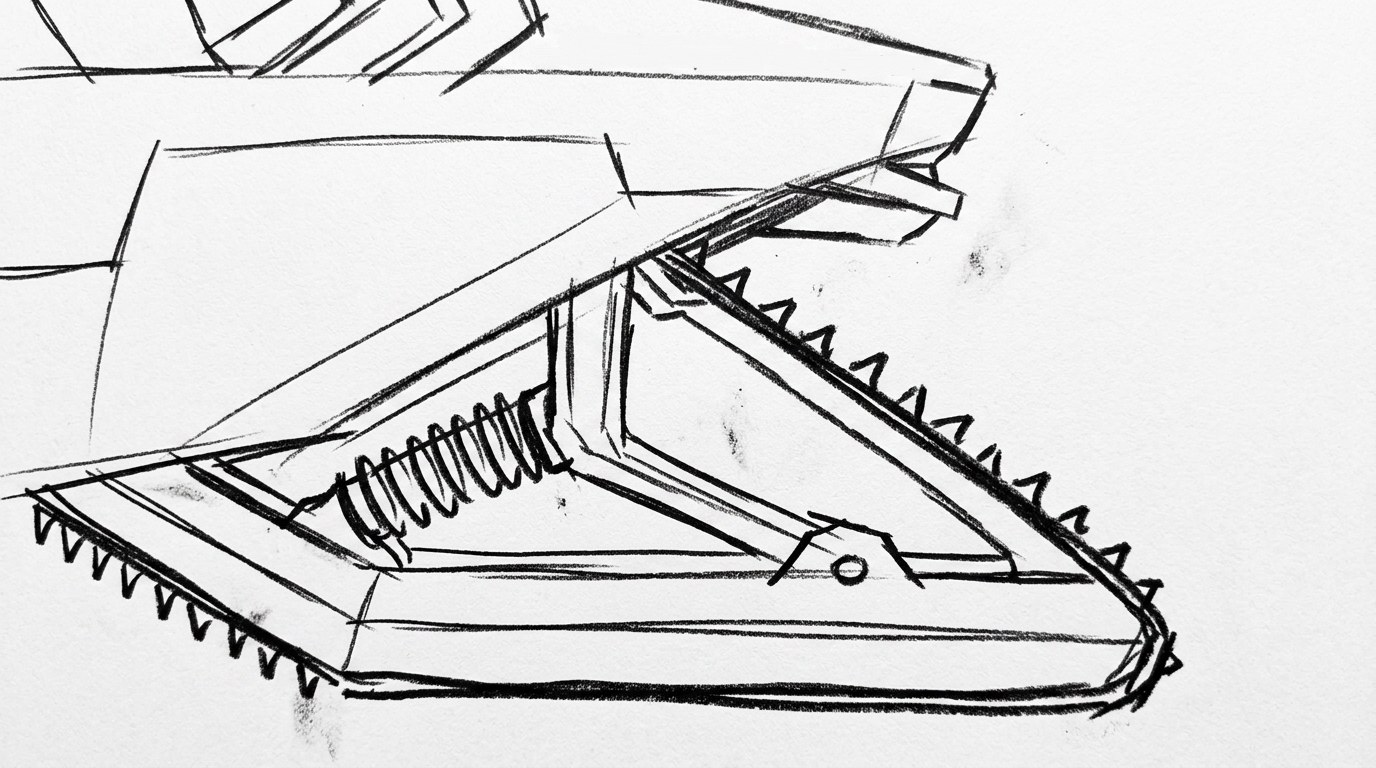
Track suspension · spring travel study
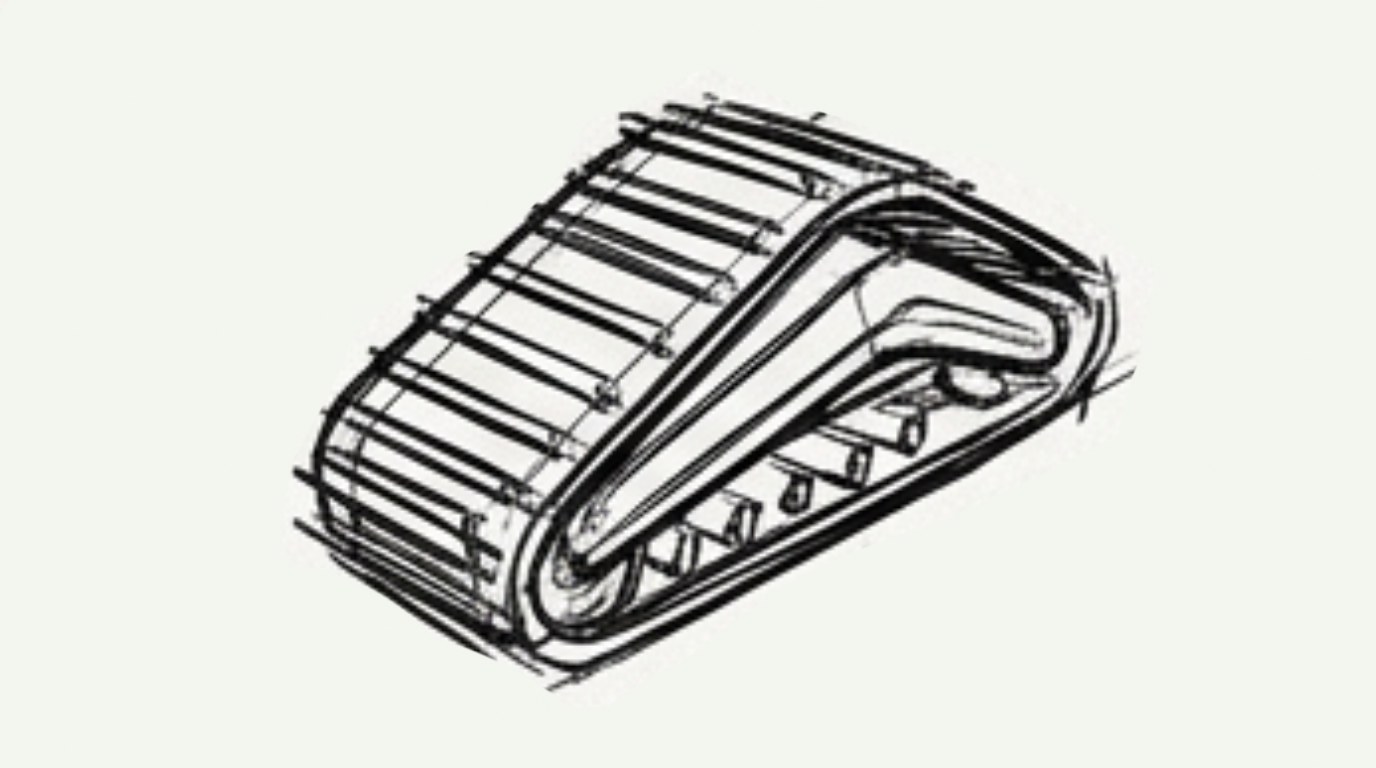
Triangular track unit · isometric
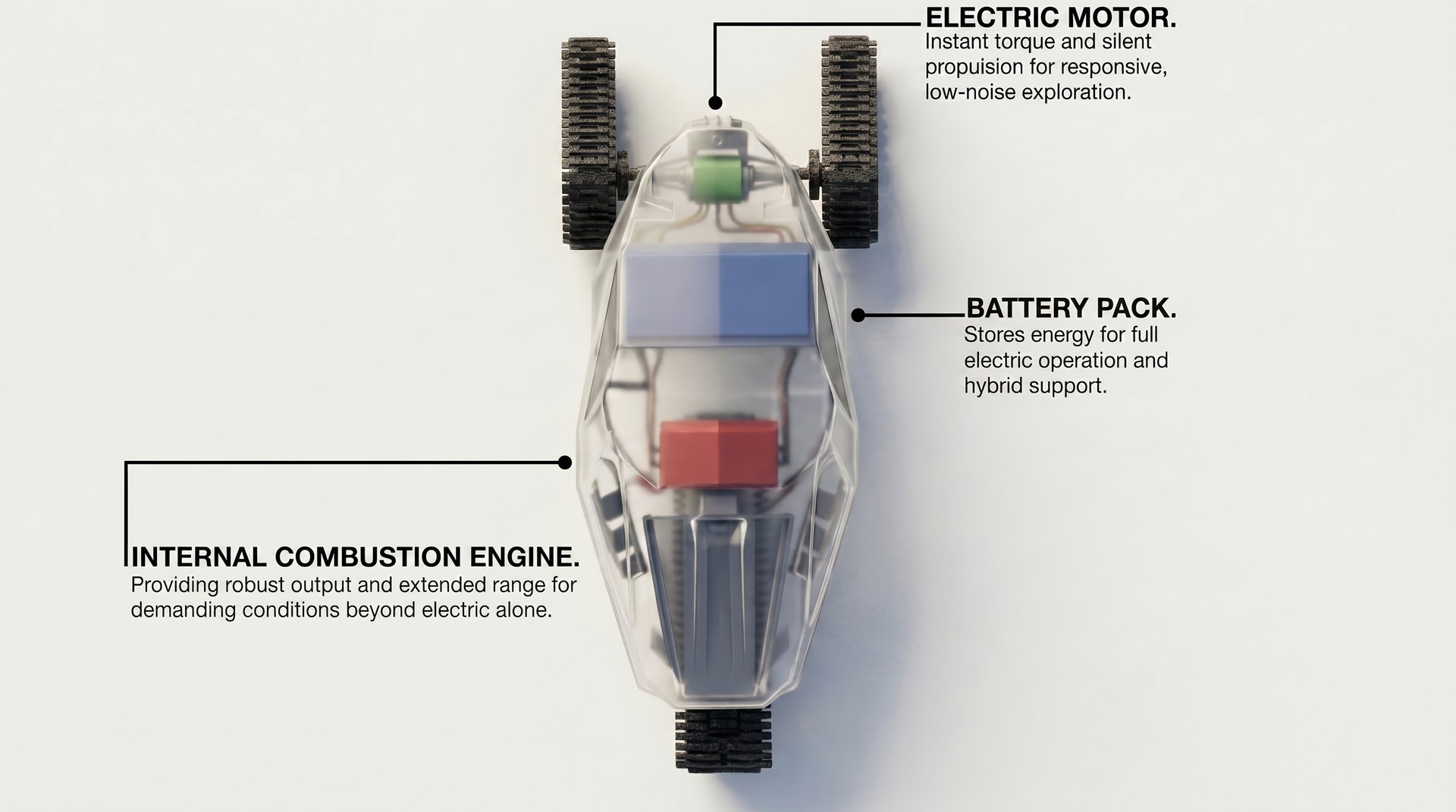
Powertrain Layout
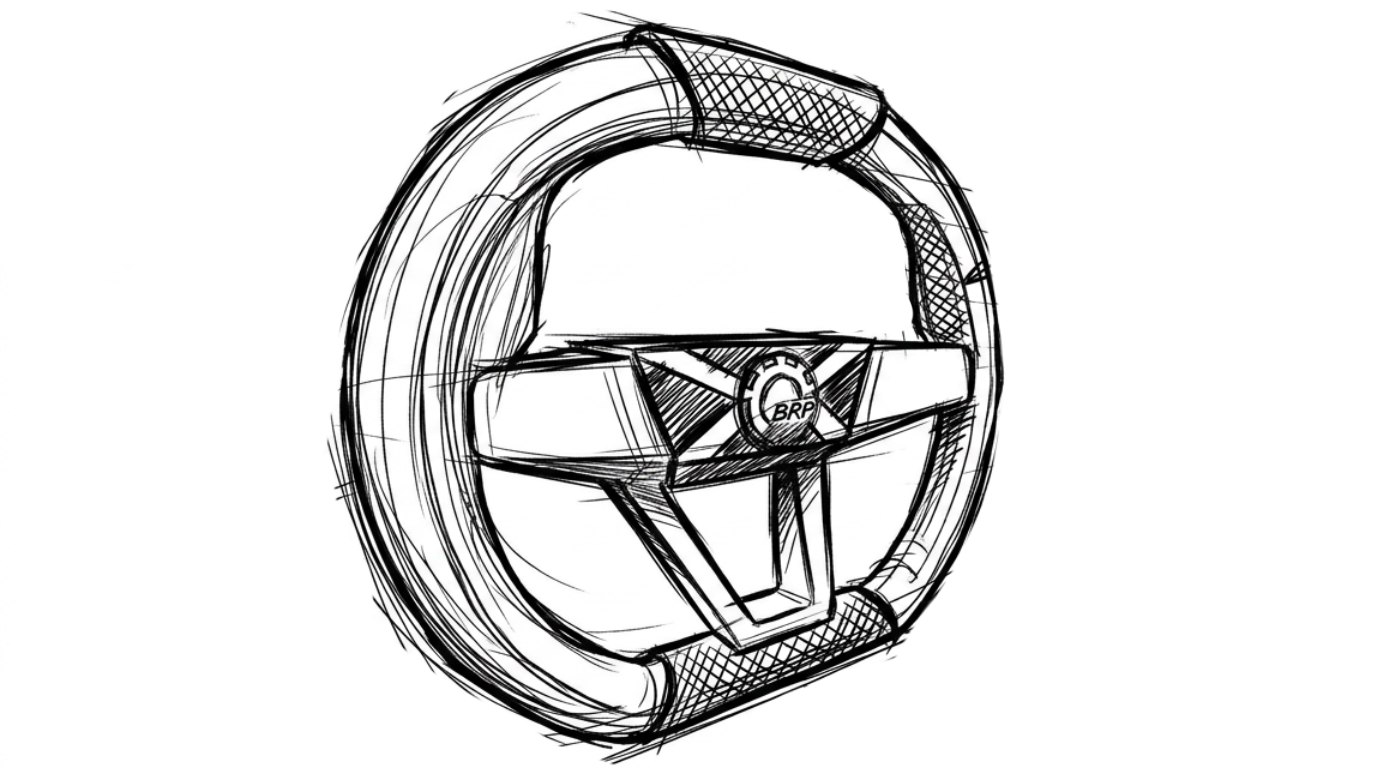
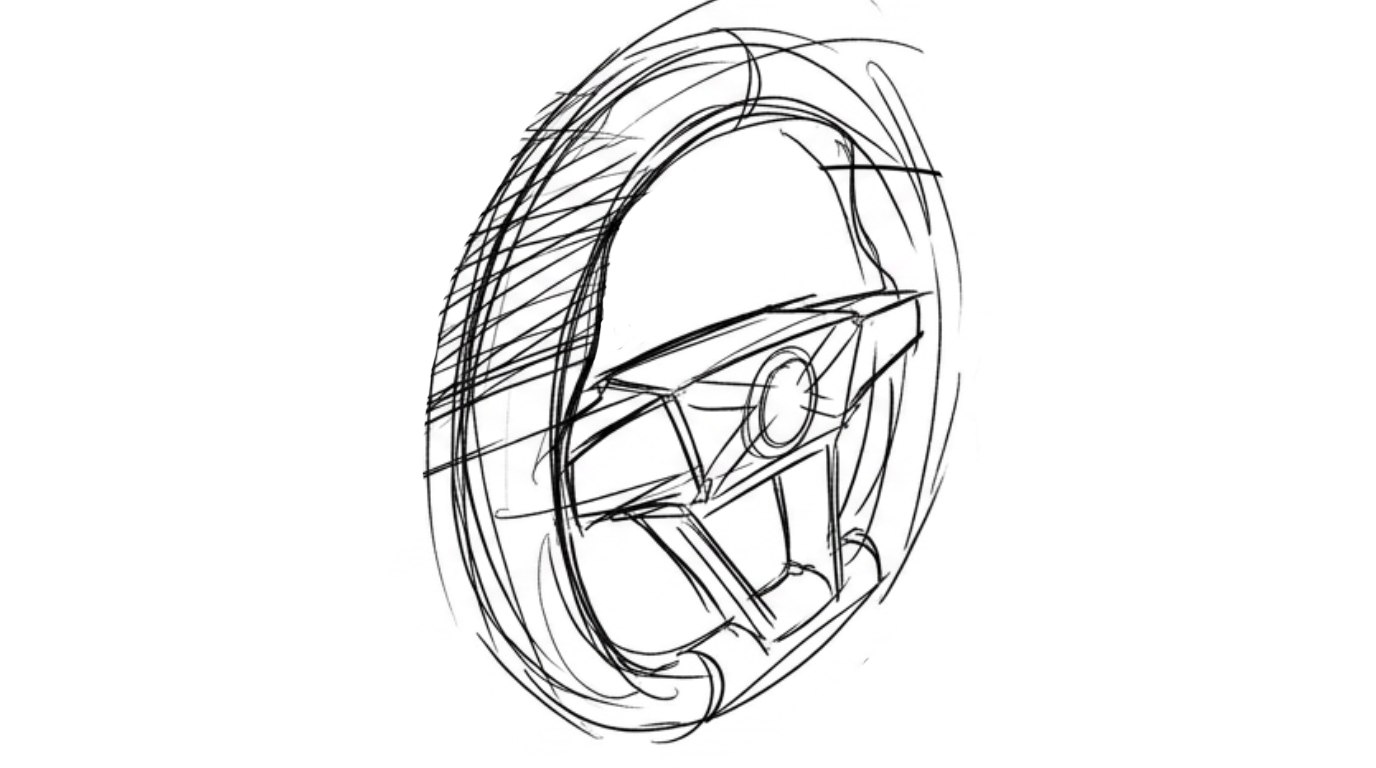
The cockpit is designed around a single constraint: everything must be operable with thick winter gloves. This single design rule drives every decision: button size, control reach, surface texture, toggle travel distance, and HMI interaction model.
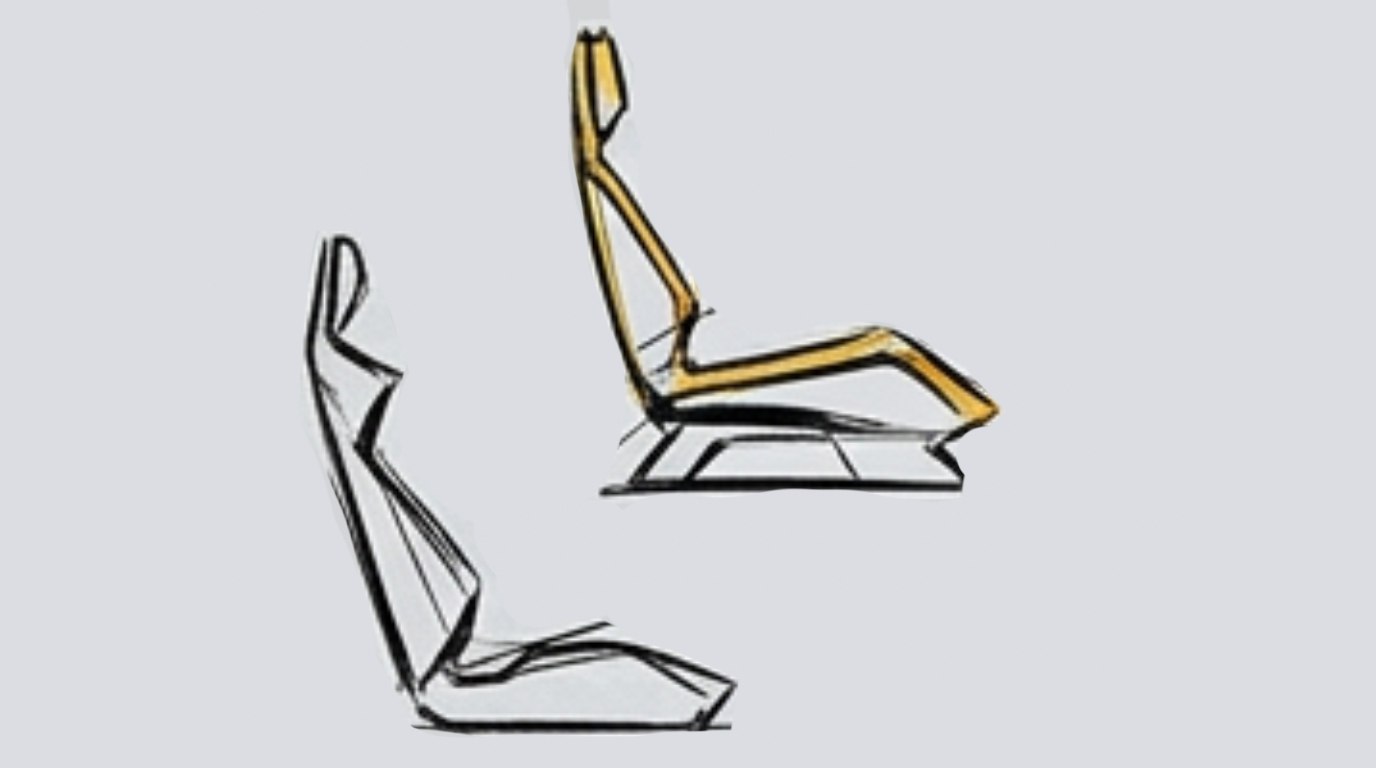
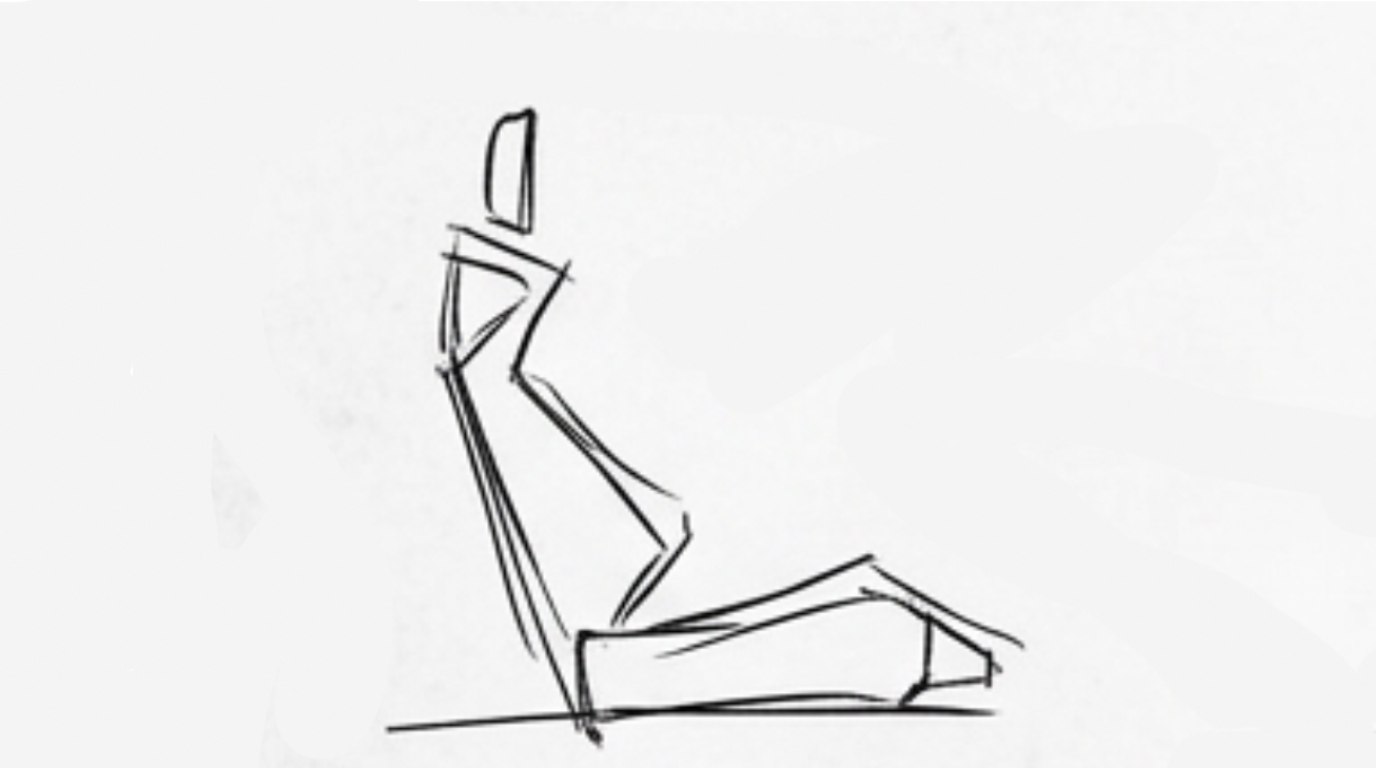
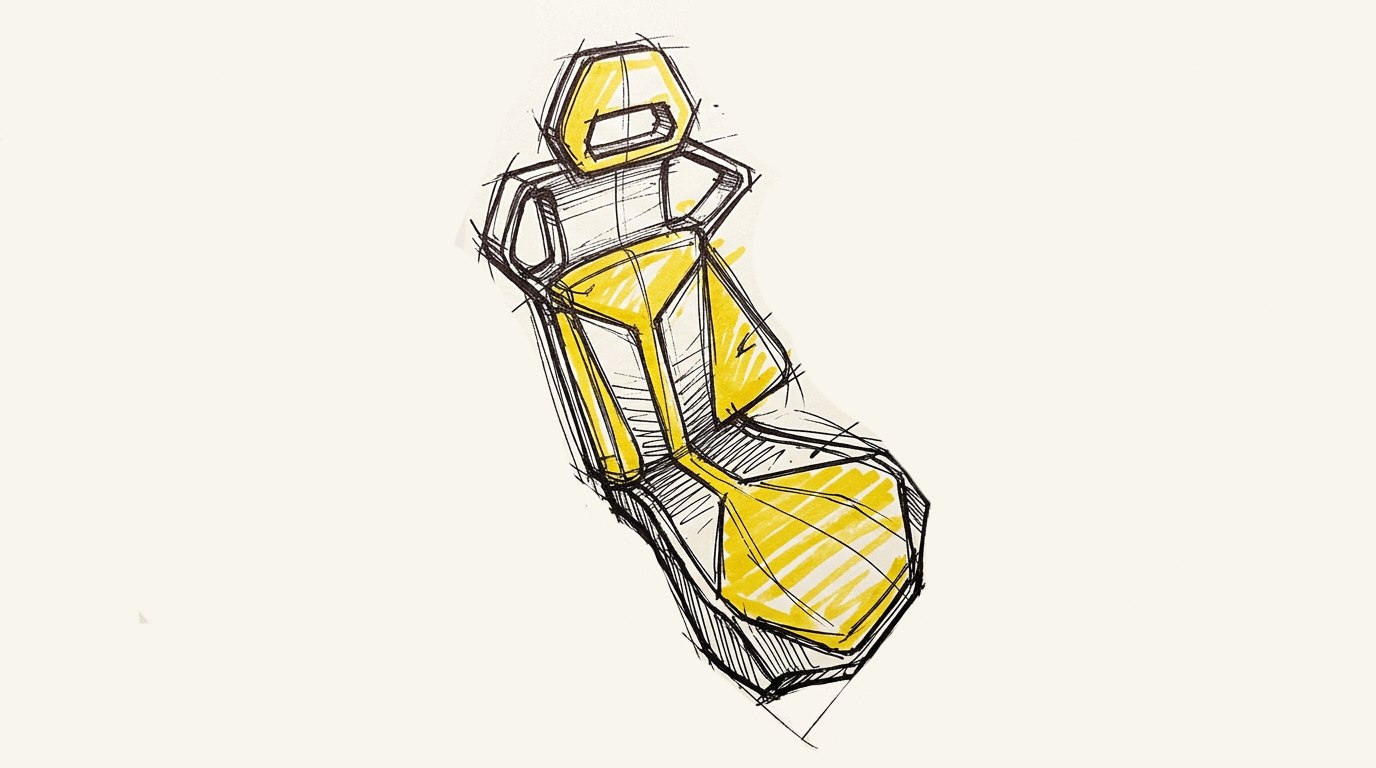
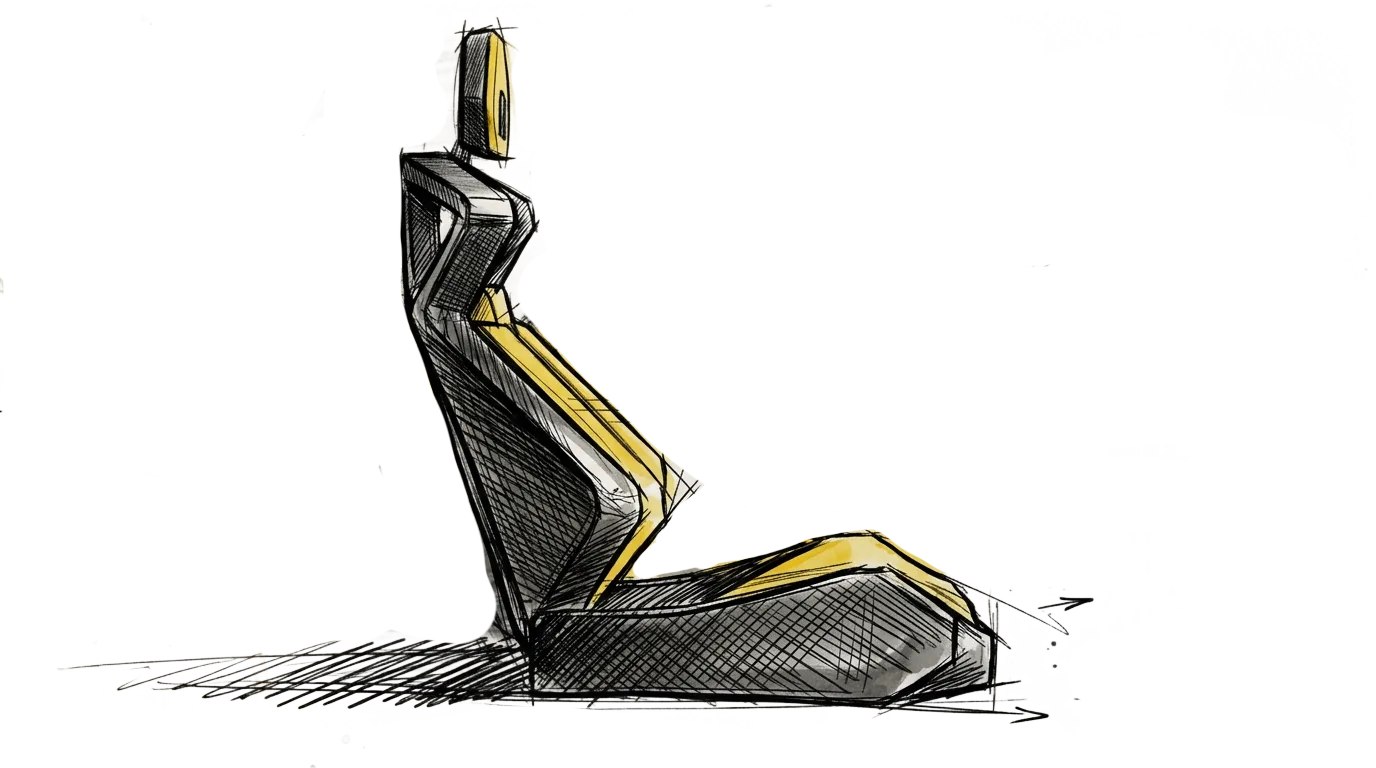
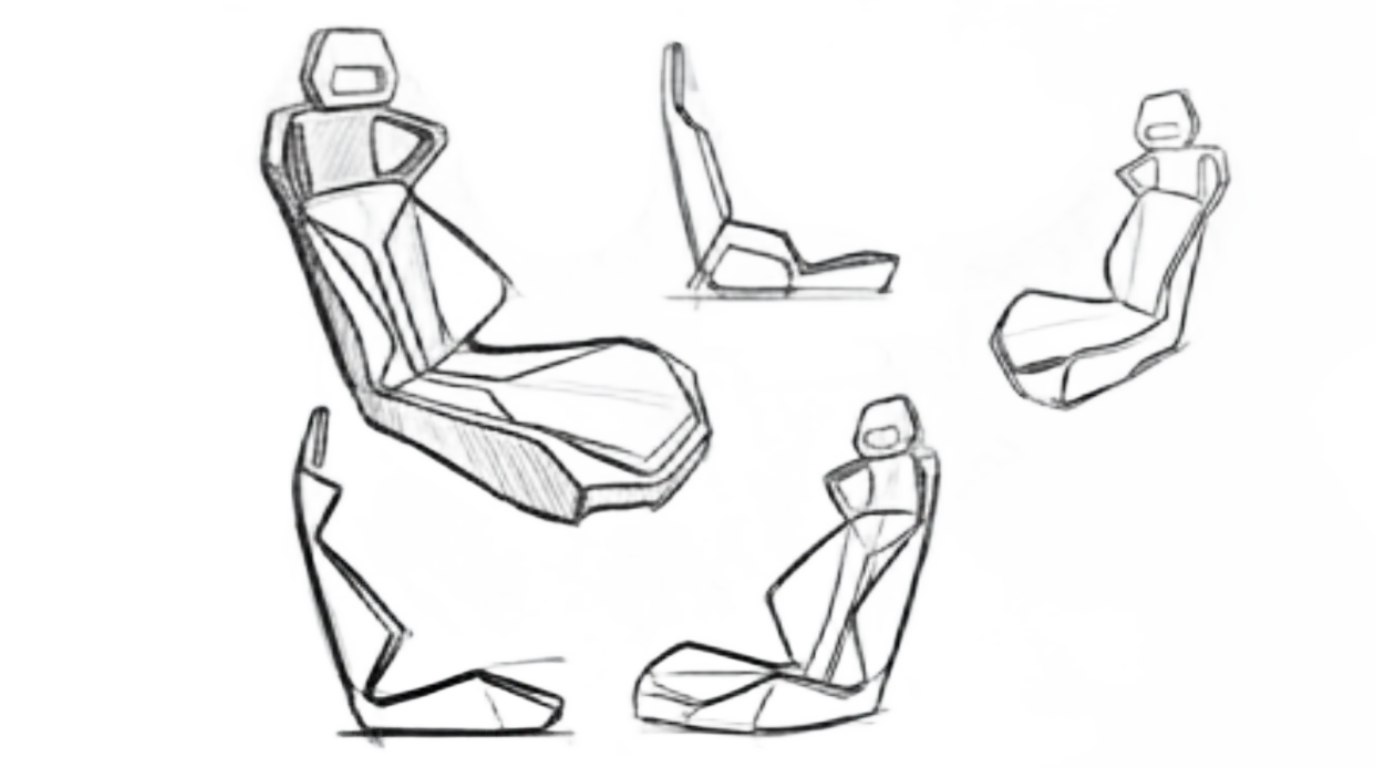
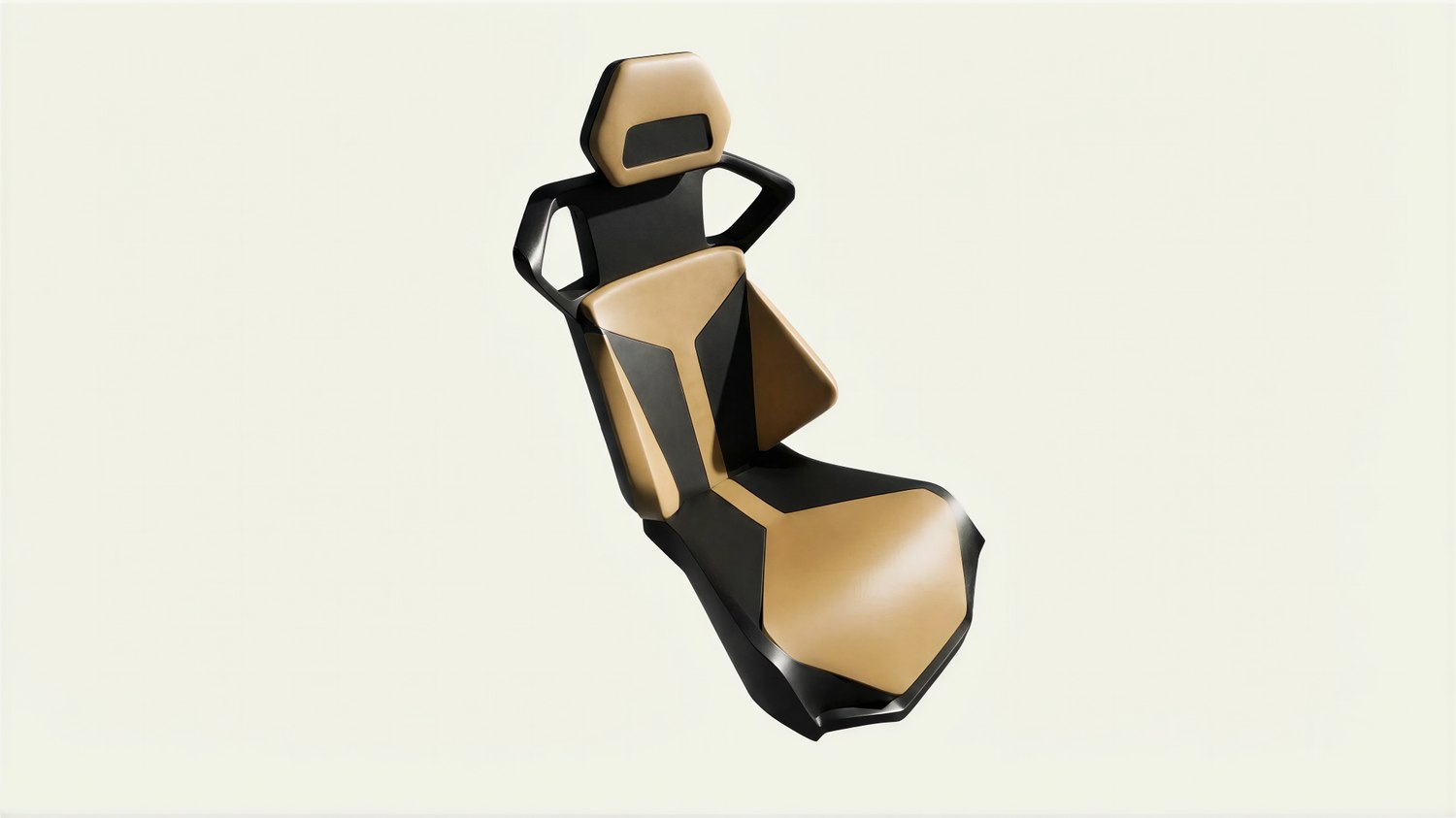
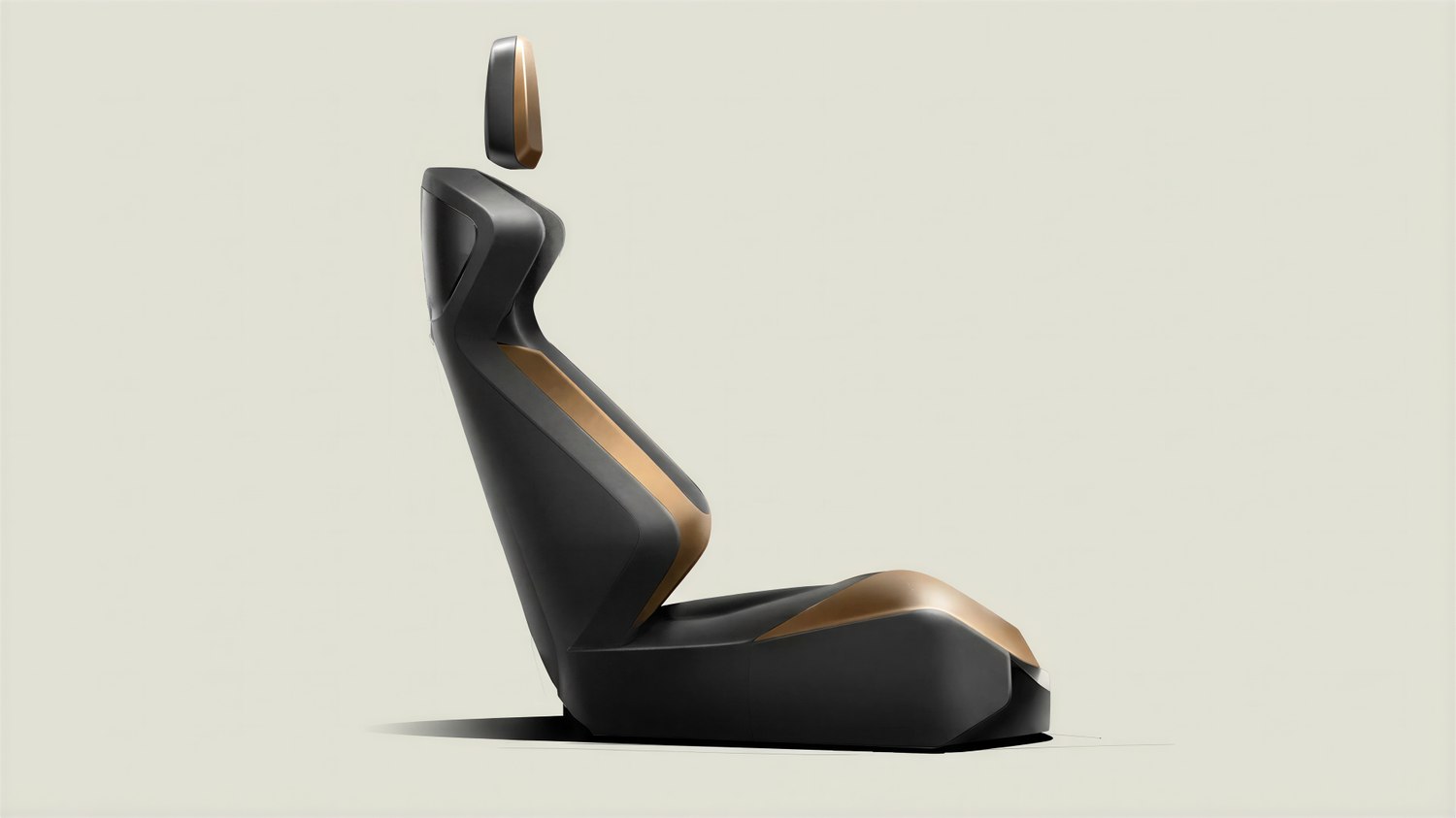
The seating system uses a low-slung bucket configuration with integrated lumbar support and shoulder bolsters. Seat heating is a primary feature, not an option. Entry and exit are designed for layered winter clothing without contortion.
The cabin structure integrates a ROPS (Roll-Over Protection System) as a visible design element: the internal roll cage becomes the backbone of the interior architecture, with utility attachment points built into its nodes.
Storage is distributed rather than centralised: door pockets, console tunnel, and a modular floor tray system accommodate gear organisation across long expeditions without a single large bin that becomes unusable when buried under equipment.
Seat · Design
Multi-view exploration
Line study
Volume exploration
Colour study
Surface breakdown · CMF split
Panel decomposition
Final render · matte black / bronze
Profile view
Cockpit · Assembled
Full cockpit · seats, wheel & console integrated
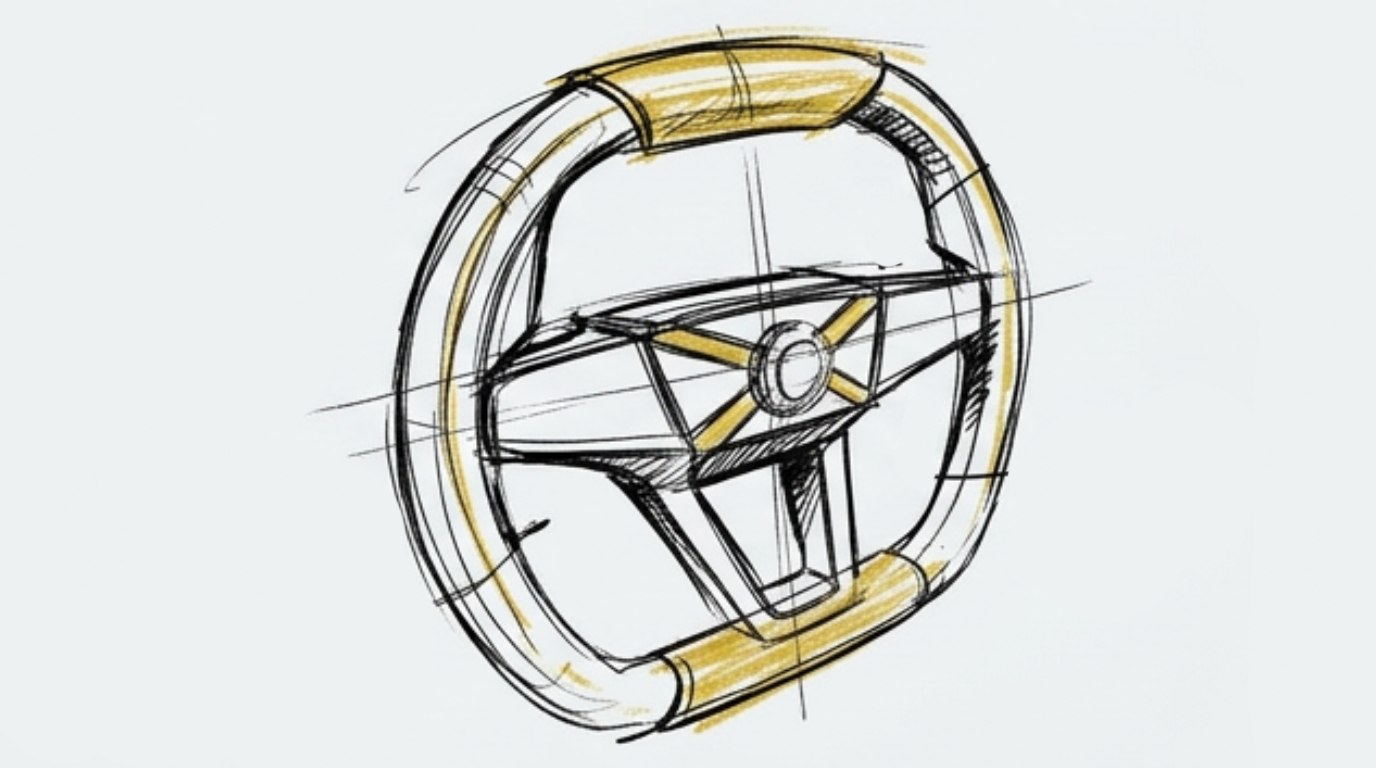
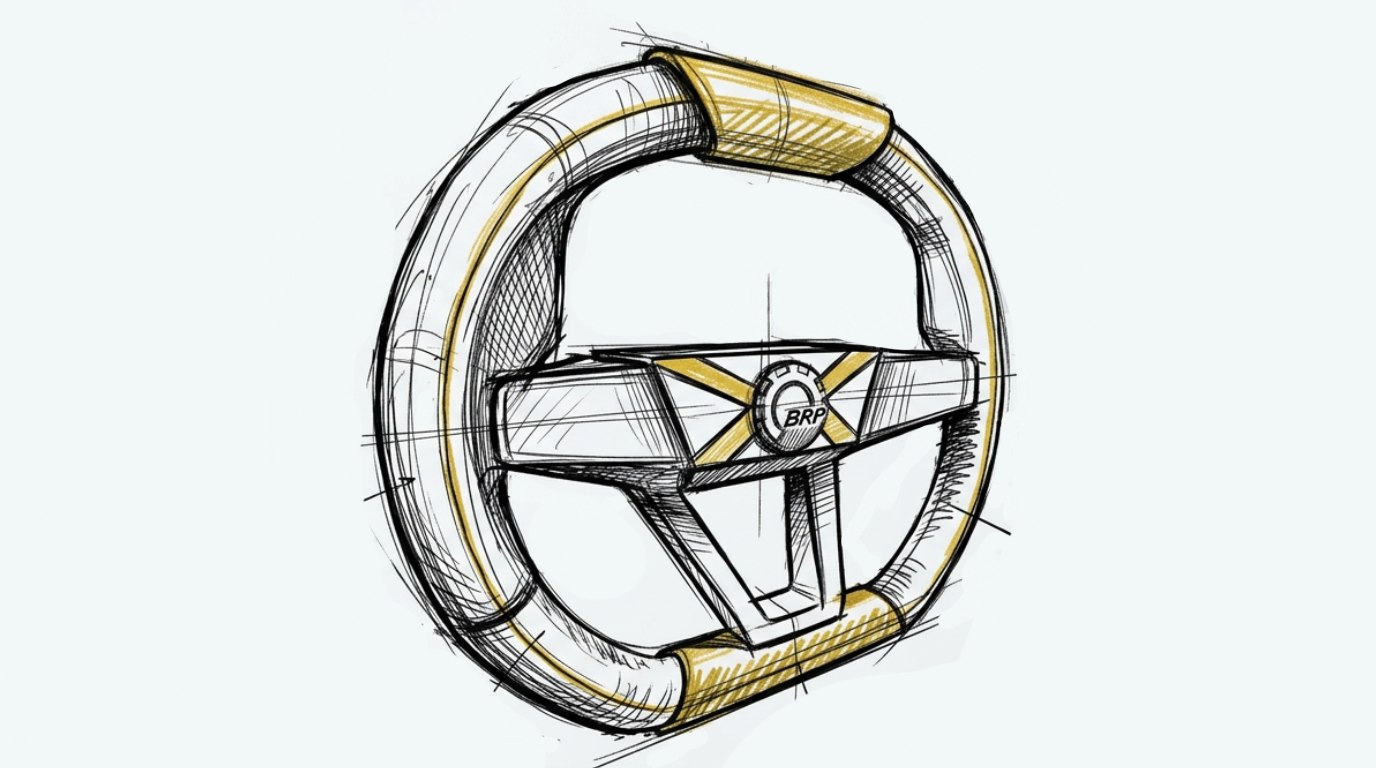
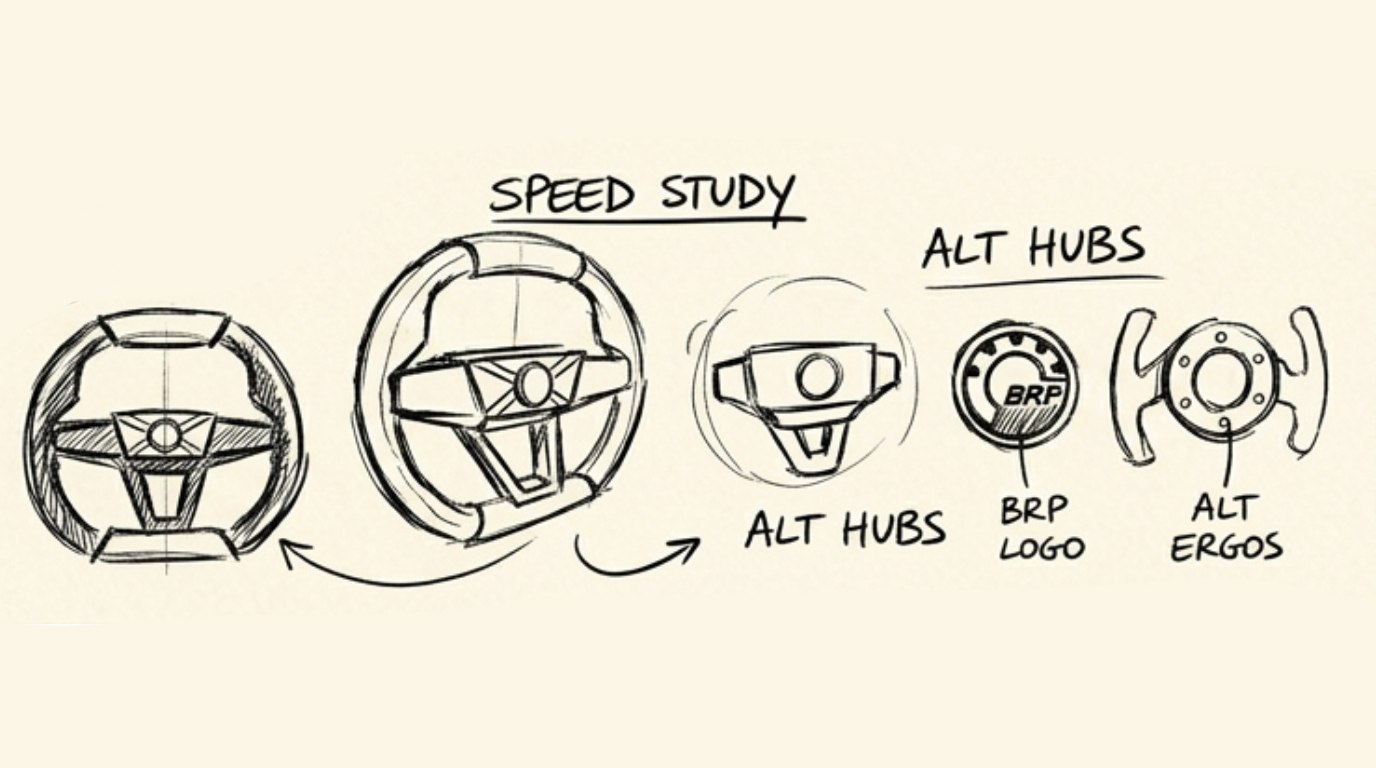
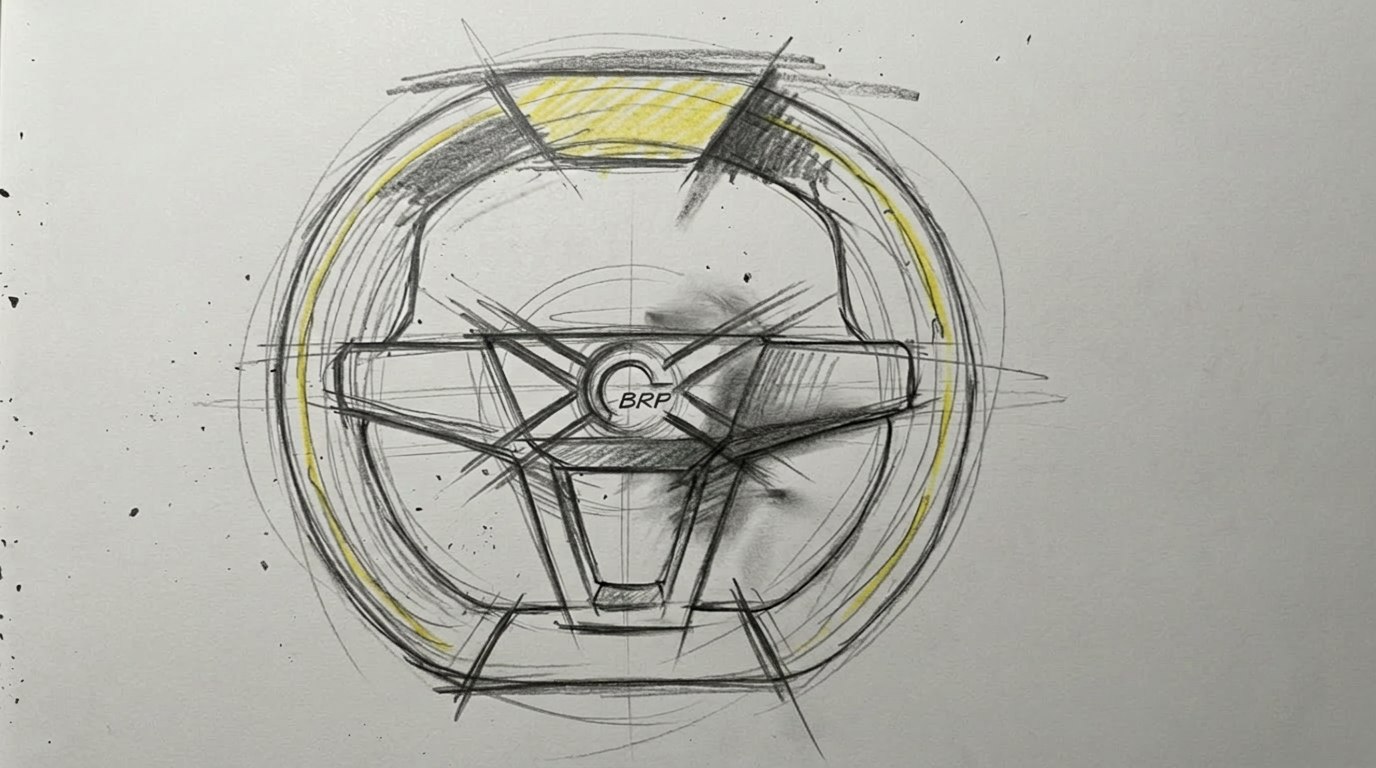
Steering Wheel · Design
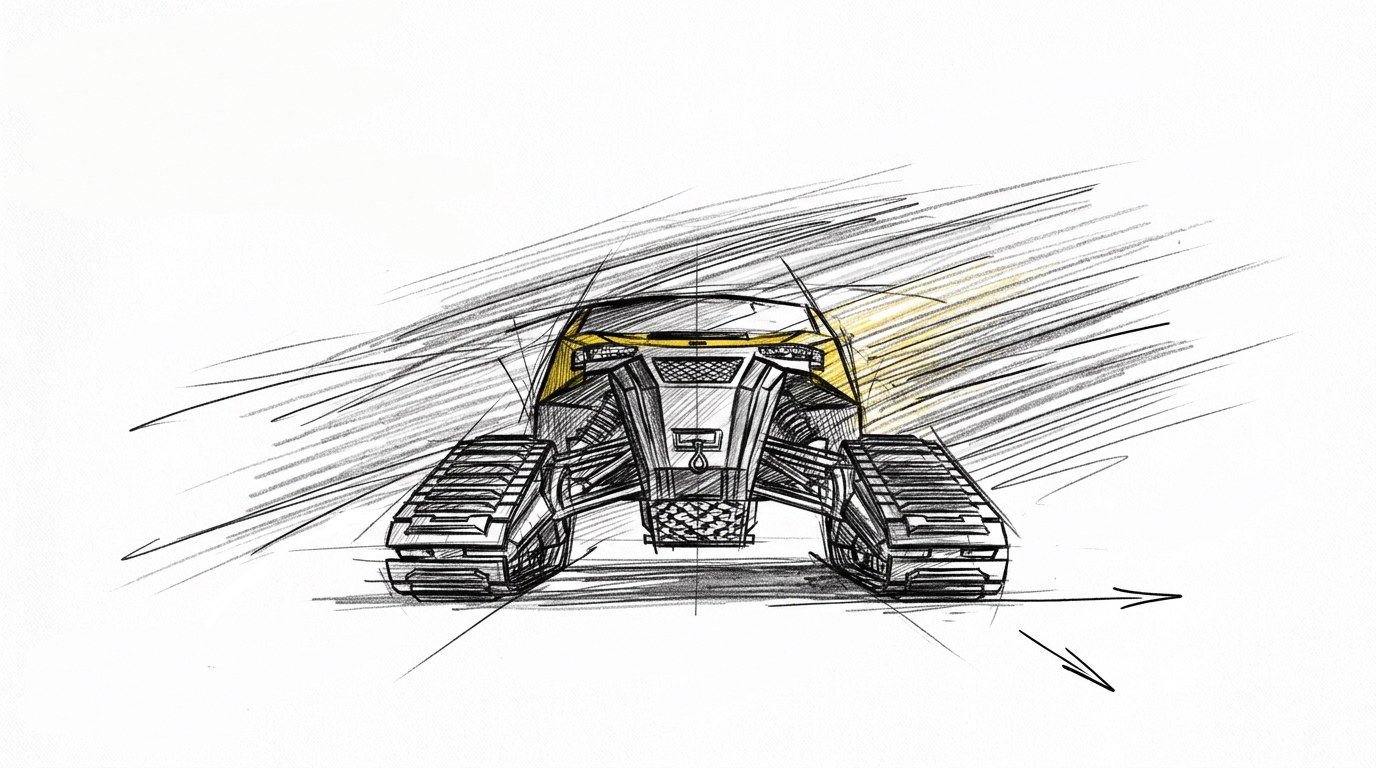
Front proportion study
Hub ideation · BRP
Hub detail
Steering wheel · finalised
Dashboard · Console
Concept · UI zones & data feed
Multi-angle ideation
Drive mode layout
Console line study · front
Console line study · 3/4
Console detail
Console render · perspective
Console render · driver view
HMI · Screens
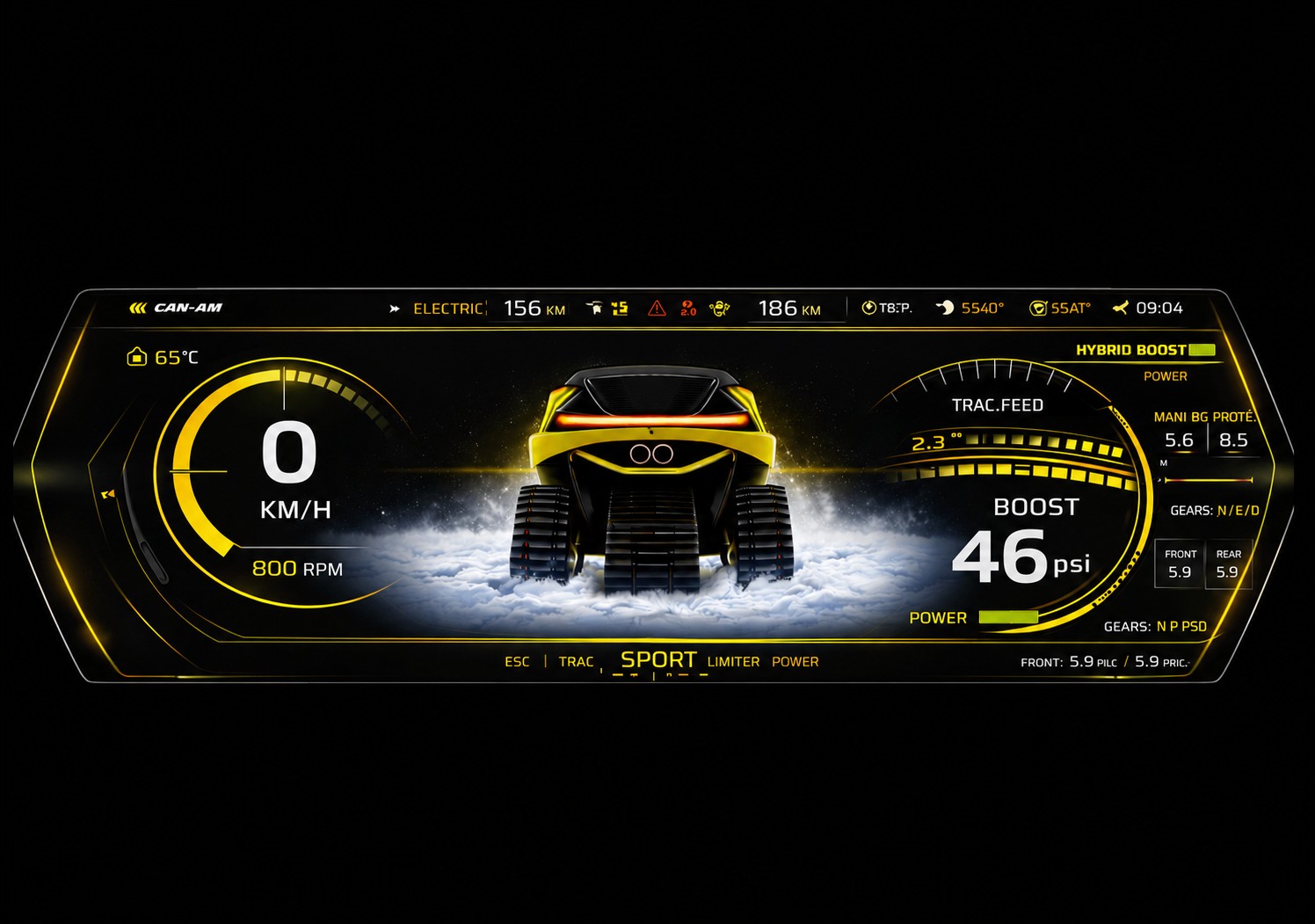
Instrument cluster · eyes-forward primary screen
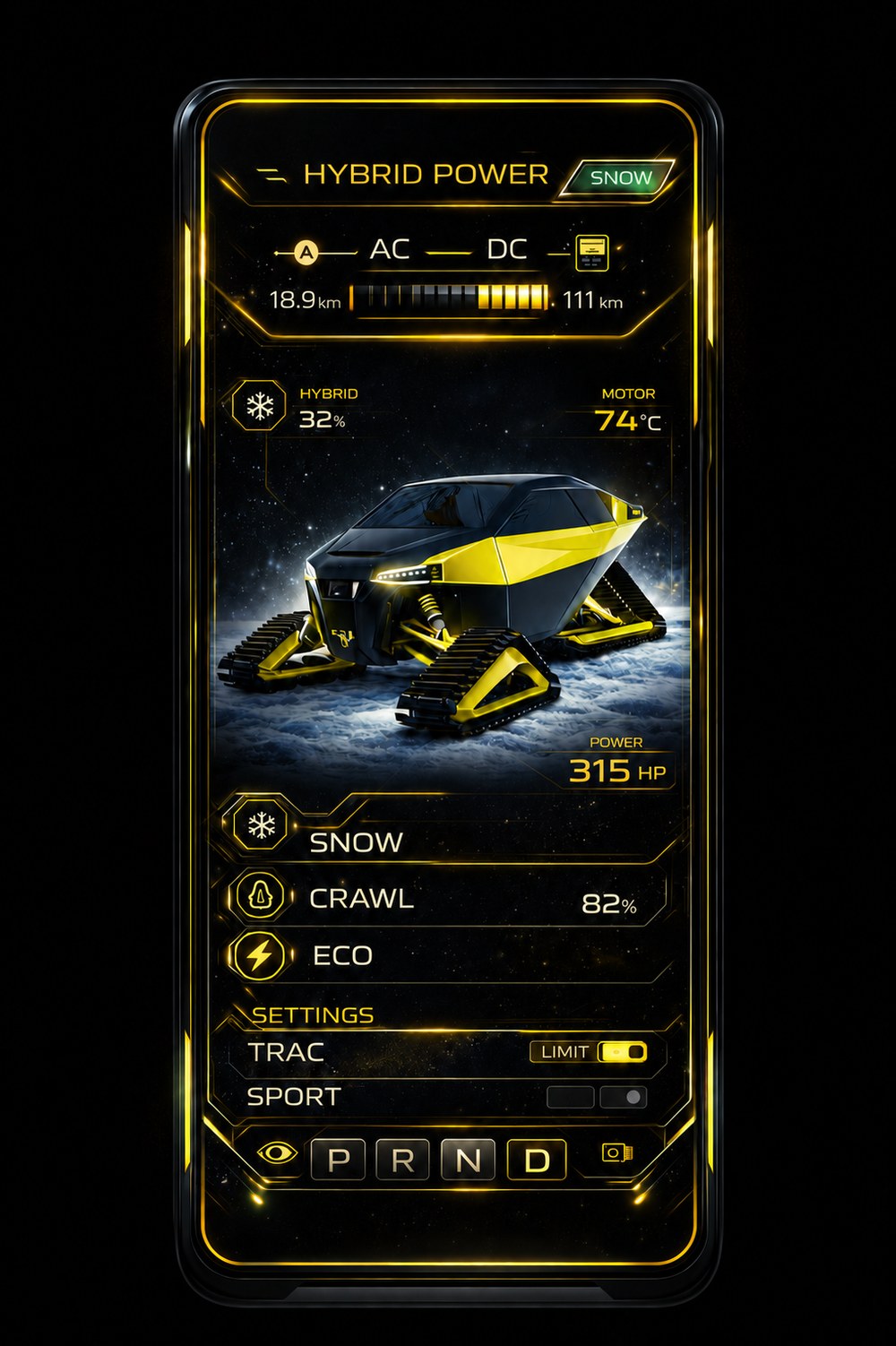
Central HMI · drive modes & settings
Matte black dominant for light absorption and anti-glare in snow environments. Can-Am yellow reserved for safety zones, grip surfaces, and active indicators. Off-white for interior trim and labelling.